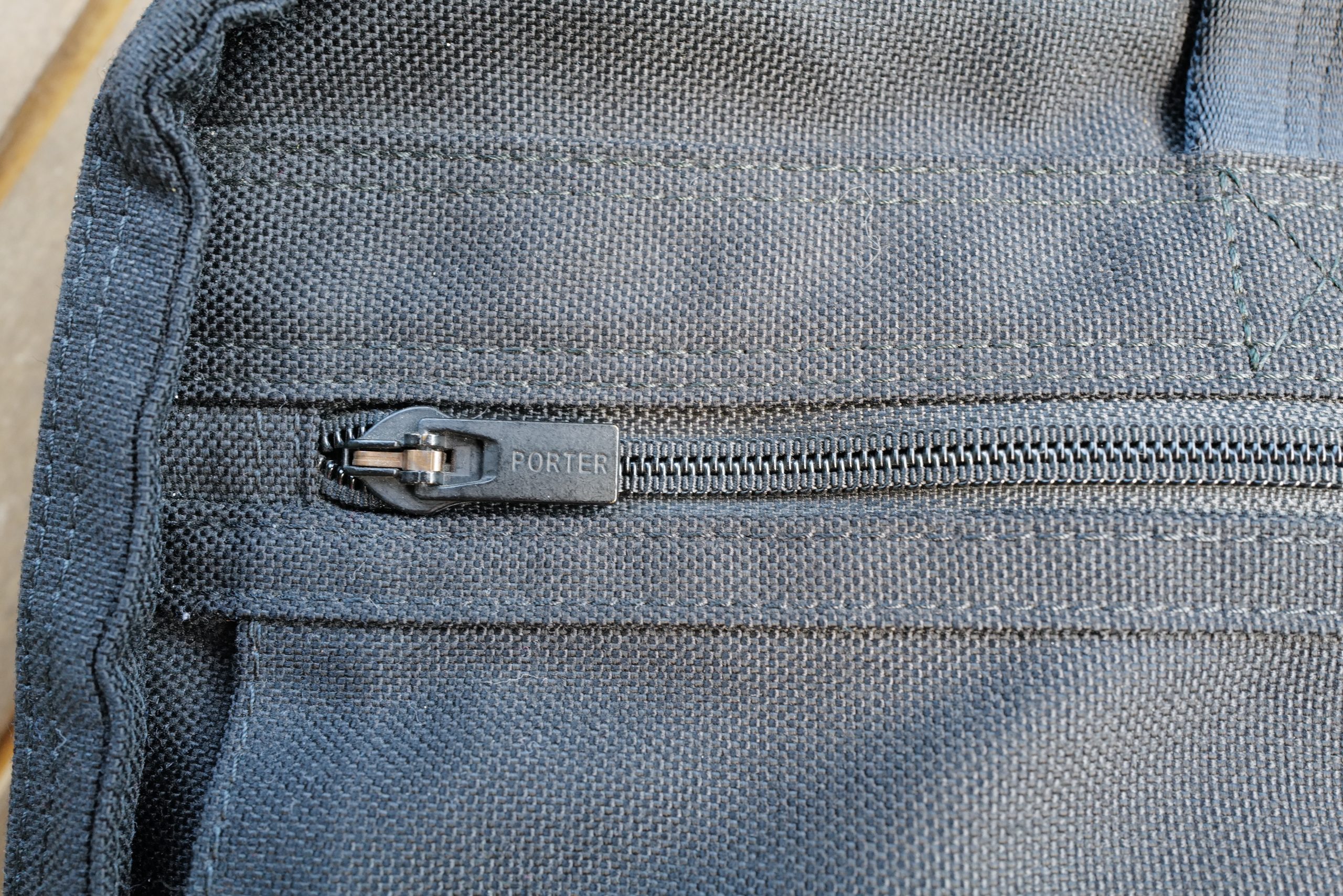
Over the years, I’ve standardized on bag brands a few times. There was a short-lived period where all the bags I used were GORUCK. Another period was nearly all Mystery Ranch. Then came the Filson bag onslaught — which had less of a take over nature, and more of a playful collectors hobby — but then lead to a takeover. Through those times, I never thought: “I am going to switch everything to this brand,” as much as I noticed I had done it after the fact. Each time consolidation has happened, I slowly sprawl back out to more brands.
I am writing this today, to head off some comments and emails about Porter.
After getting my hands on Yoshida & Co’s Porter lineup of bags, I made a very conscious decision, that I wanted to move all my bags over to Porter bags (where it makes sense at least). And that process is in the works, so I thought I would take a moment to talk about the why of this change.
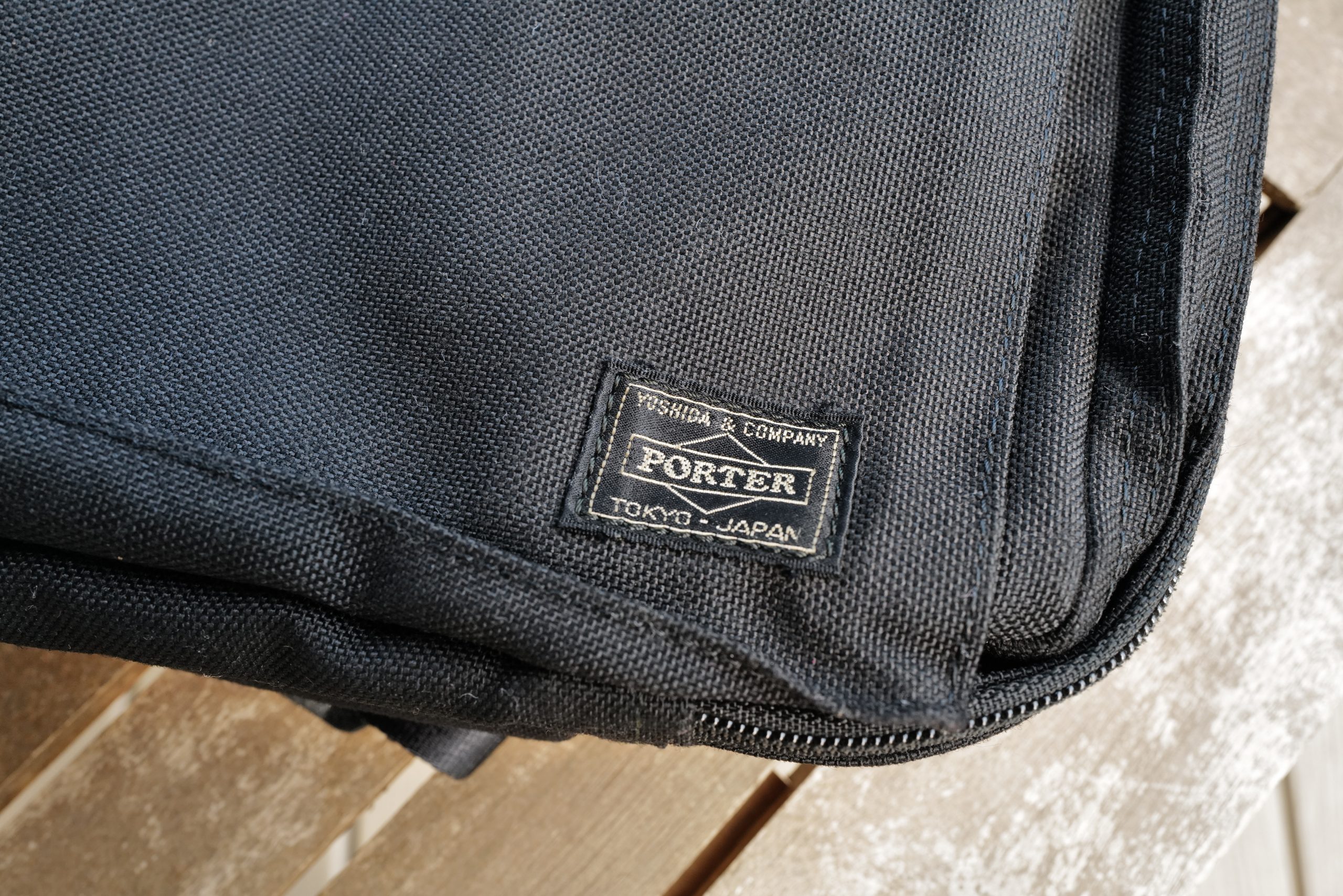
First, Porter Itself
A little background on Porter to start. The parent company is “Yoshida & Co” which was founded a very long time ago. Mid-1900s, Yoshida & Co made the ‘Porter’ brand, which I dare say is the main brand. Often you’ll see these bags listed as “Porter – Yoshida” or some variant of that, most know and refer to them simply as “Porter”. It is, after all, the prominent brand of the larger company. But, there’s other brands as well, the second largest being “Luggage Label”. None of this really matters for this post, as my focus is on the Porter brand itself.
I don’t like to be simple here, so let’s dive into the Porter brand more. There are many sub-brands: Tanker, Force, Lift, POTR, etc. These are really different model lines, often using the same design language and materials. They are all, though, under the Porter label. Neat, right? Not confusing at all.
There’s some interesting things to know about the brand itself. I collected some of the lore from around the web, here are my two favorite things to know about the brand:
At its core, Porter embodies the principle that “a bag should first of all be a tool to carry goods”—a fundamental belief born from founder Kichizo Yoshida’s harrowing experience during the 1923 Great Kanto Earthquake, when he salvaged his belongings using cord and realized the paramount importance of functional design.
This is the origin story of our hero. From there, comes this next bit:
The brand’s central philosophy of “Isshin Nyukon” (One Stitch, One Soul) ensures that this functional excellence is achieved through meticulous craftsmanship. In other words, it is the belief that craftsmen should infuse their heart and soul into every single stitch.
It’s those two points which drive the philosophy behind everything the brand makes, so it’s worth keeping in mind — no matter how accurate it is or not.
There are three more turning points in history to know about the Yoshida & Co, which I find interesting:
- In the early 1950s, future Empress Michiko (not yet married to the crown prince) was shown on live TV carrying a white Yoshida bag. Porter, as a brand was not born yet. This appearance, though, solidified the company as a cultural icon and lead to a huge take off in sales. (Empress Michiko was a commoner, and the first to marry into a royal family, it was a big deal etc etc.)
- The Porter brand was established in 1962. The name comes from the porters whose job it is to carry luggage. To Americans, that might not be something you would want to name a bag brand after, but if you’ve ever had a porter in Japan move your luggage, then you probably get it.
- As with any great story, we have to have a Top Gun tie in at some point. And for Porter, Top Gun was a lucky timing. The now iconic Porter Tanker bags debuted in 1983, and didn’t sell well. Those bags are styled after military MA-1 flight jackets, and people didn’t really love the style as it wasn’t a commonly seen style back then. Until 1986, when Top Gun came out and everything fighter pilot got cool. I shit you not, that is the Tanker origin story.
Here’s the last thing to know: Porter doesn’t really update designs. They update materials, and processes. So it can be very hard to tell a 20year Tanker from a Brand New one. At best, they update the interior layout while leaving the exterior the same. That makes shopping for used bags a bit of a gamble.
The Why, for Me
Porter, my knowledge of the company, and its place in the bag world is nothing new — people have been obsessing over them for decades. The big difference is that I finally got to put my hands on their bags, which is rather hard to do in the USA, then buy a couple and use them a lot. I am not different than most people — it’s a big leap to spend this type of money on a bag you’ve never handled before, and which maybe looks a little different than what you might expect.
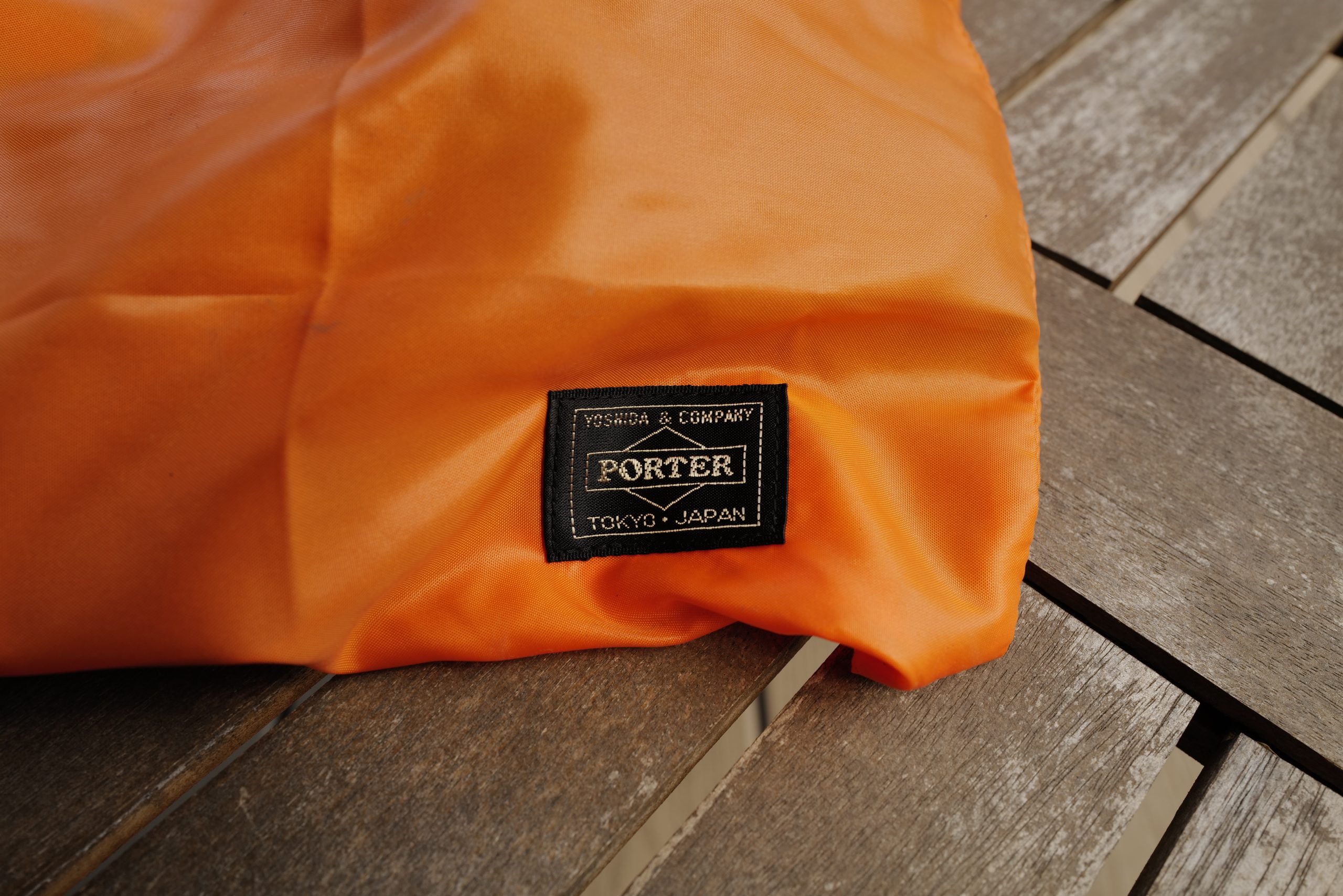
A bag made from MA-1 flight jacket adjacent material is not really something I was clamoring for. However, after getting my hands on them in Japan, I was in love, but certainly not ready to fully jump, yet.
After spending nearly two weeks using these bags all day long, I was sold on the overall utility of them. The practicality they offer, the functionality, looks, and materials. All of that. That was the turning point. If you go back to the core philosophy of the brand “a tool to carry goods” this is something that comes across so clearly, it is astounding that other brands don’t actually nail this. Carrying goods is a lot different, in thinking, than carrying weight, carrying bulk, carrying laptops, comfort, style, and so much more. To carry the generic goods, and to carry it well above all else — I do see that as rare in the bag industry, something Porter has opened my eyes to.
But we need more specifics about why I am going all in…
Diversity of Bags
The ‘Porter’ brand encompasses tons of small sub-brands. There’s the classic Tanker line which is fancy MA-1 materials and classic designs. The Force line which is a little more ‘tactical’, but not really in any sense of what an American brand would say. The Heat and Extreme lines which pushes materials and designs more technical. And that’s really only scratching the surface of all the brands.
Most bag companies only have a couple of lines. Maybe something a little office, and something a little more core to why they originally started. Take GORUCK, they have the standard line, and the heritage line — the latter of which they are trying to tone down the original. But most brands do not have half a dozen or more sub-brands which can easily fill any need when it comes to carrying. And then, at that, executes at as high of a level on the sub-brands as they do the main line — as Porter does.
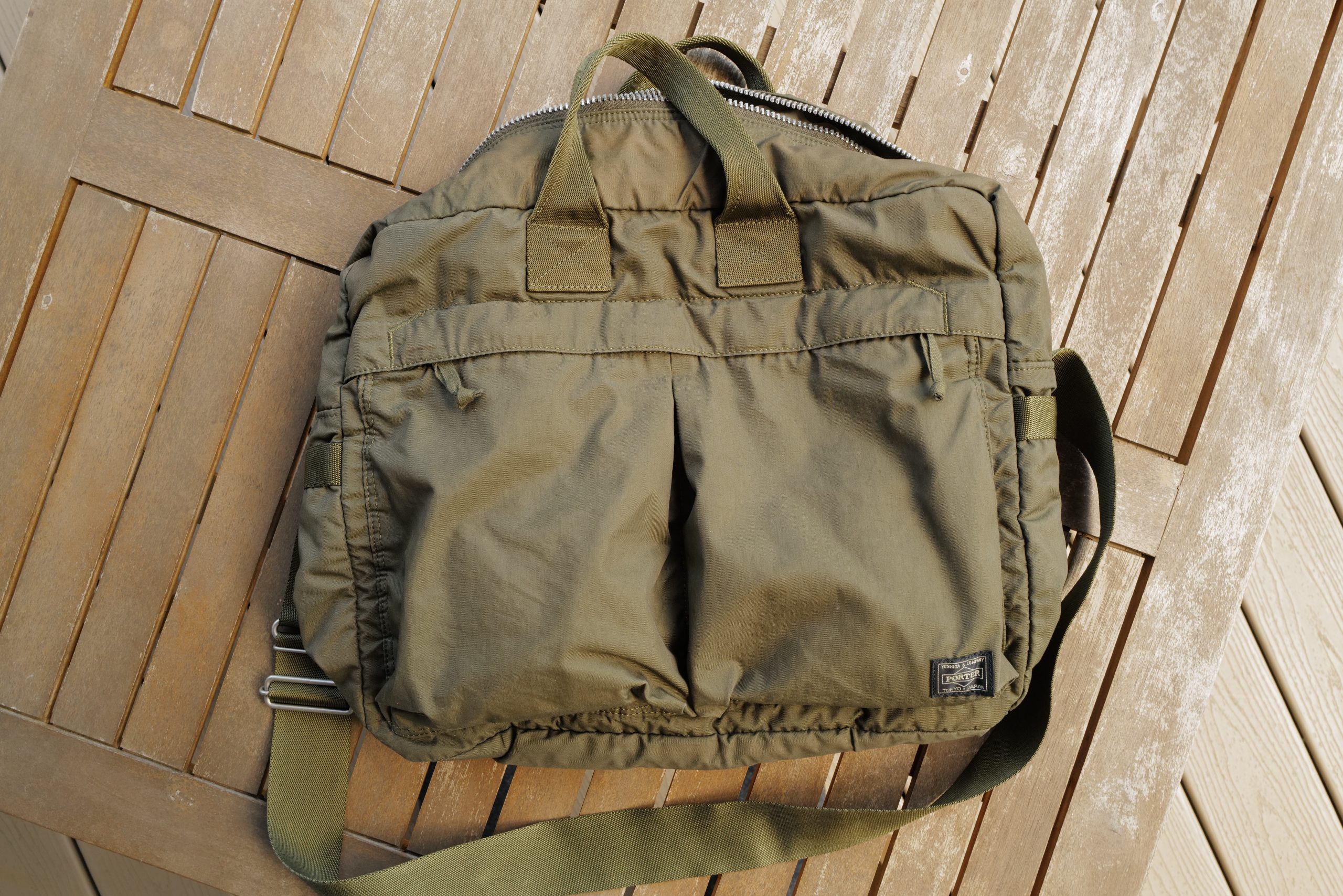
This isn’t a reason on its own to go fully into one brand, but it is a reason that you can do that with Porter itself and not many other brands. It also means that no matter what your niche needs are, Porter probably has the perfect bag for it. There’s a bag which works for hiking, and one that has others in the board room drool over. Both ends, one brand, wild.
Quality: Materials and Construction
I now own Porter bags from many different years, in many different materials, and many different lines. The one commonality is that each material is amazing and the construction is nearly perfect on all of them. This isn’t a brand that got too big and now there’s a good core line and a just fine cheaper line (ahem, Filson). This is a brand where everything they are doing is at the same level and that level is impressively high. (If you want to understand this more, look into how they manufacture the bags, and the level of craftsmanship they apply to the trade.)
And because of the different lines, it means you can get bags in a litany of different materials, while still having the confidence that the execution and quality will be there. It’s nearly impossible for me to think of another brand that does this so equally across the board, at this diverse of a product offering, while being readily available. I can’t think of any.
There’s also a good match with my personal views on materials. I like really nice materials, but also really practical materials. I don’t like something chosen thinking it is fancy because people don’t use it and in practice it’s a loud crinkly mess — like some of those collab bags out there if you follow me. I like practical and durable materials. I don’t mind materials that show age and use. But I also think some heritage materials make for a poor bag material. For the most part, Porter’s material choices all make sense to me. (I do not like the coated nylon materials Porter uses, as those seem to not hold up well long term.) You would think the Tanker material is a gimmick — I did — and then you put your hands on it and use it, and realize you were a fool for thinking it was a gimmick. Whereas when you put your hands on a custom black denim backpack that weighs a ton, you are left wondering: why?
Porter is selecting materials because of the utility they offer, not the shock value they deliver.
Insanely Practical and Versatile
Ultimately, I was won over by the practical nature of the bag designs. This is so hard for me to explain. There are tons of practical bags out there which are fine, and tons that are practical but terrible. There are loads of impractical bags that are great too. There’s dozens of versatile bags as well, but not many which are practical and versatile and meet at the intersection of perfection.
Some examples are needed. First, let’s talk about the excellent Alpha One Niner Whitley. This is an exceptionally good bag, and a highly practical bag. There’s lots of great organization in this bag, without it being overbearing to use. At the same time, this is a bag which is not very versatile. If you are not carrying a laptop, then there’s a good chunk of this bag that is very unnecessary for you. Likewise, if you don’t want to fill the main compartment, then you are carrying a decently bulky bag for no reason. It’s somewhat practical, not very versatile, but great.
The Filson Zippered Tote also comes to mind. Here’s a bag that can take on a lot of different challenges and handle them all quite well (versatile). But, at the same time, it’s a little impractical to use. It doesn’t carry overly well as the straps are a little long at times for hand carry, and for shoulder carry require the load to pull straight down at one side of your body. There’s no other option. Sure the outer pockets are quite practical, but they are open and prone to dumping shit out. A versatile and great bag, but not really that practical — especially when then factor in the overall size of the bag. Too easy to be accidentally hauling 20lbs on one shoulder.
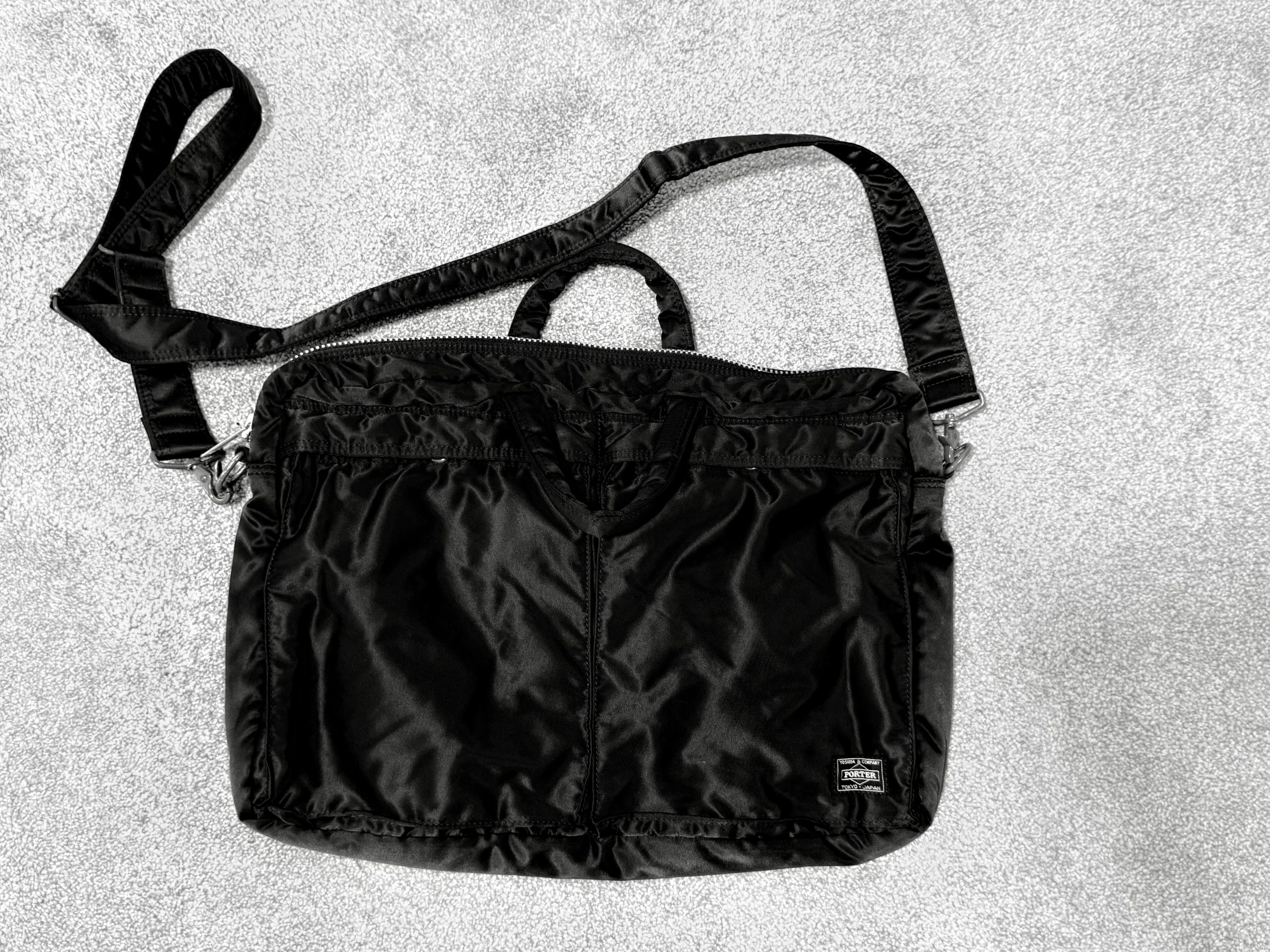
Of all the bags from Porter I have tried, which is nearing a dozen now, all of them have proven to be both practical and versatile — at least in so far as for what they are designed to be used for. A daily style bag, will be versatile for a commuter going to the office, or a traveler exploring a new city — offering practical pocketing for either. With enough of a stance on what the pocketing is for to make the bag easy to use, but not so much as to make certain areas useless if you don’t often carry specific items.
All pockets feeling not overbearing to use, nor clad with hidden downsides. I’ve seen bits and pieces of this in other bags from other brands, but what sets Porter so far ahead, is that this is every bag I have used, and every pocket/detail/feature they’ve included. Uncanny.
Fits my Bag Ethos Perfectly
Which brings me to what really sealed the deal for me: Porter bags fit my bag ethos nearly perfectly. I love materials, and I love pockets. But I don’t love stupid materials and stupid pockets. This sounds like “well yeah me too” but the truth is, I run into this issue constantly with bags that others love. Even as recently as a few years back, I would get lured in, initially liking bags in these funky materials, or with clever pocketing — and I would write a positive review, only to sell the bag months later after realizing that it was mostly not as good as I initially thought, once you are living with it long term.
I bought into the hype, gave way to the novel, and lost sight of the practical.
Look at every collaboration bag Carryology has done the last 2-3 years — materials no one needs, just because they thought it was cool. That’s not creating a better bag, it’s often creating a worse bag. Materials can be cool, and still make for a shitty choice to apply to a bag. Too many straps, too many pockets not destined for use, and too much structure such that a small bag feels big, and yet constantly out of space.
When I say Porter bags fit my ethos perfectly this is what I mean:
- Practical bags
- Designed to carry goods, not specific things
- Made to the highest possible level
- Insanely nice, and weirdly very functional, materials
- Engineered to be carried all day
- Easy to use and understand
- Aesthetically pleasing, and available to all vibes.
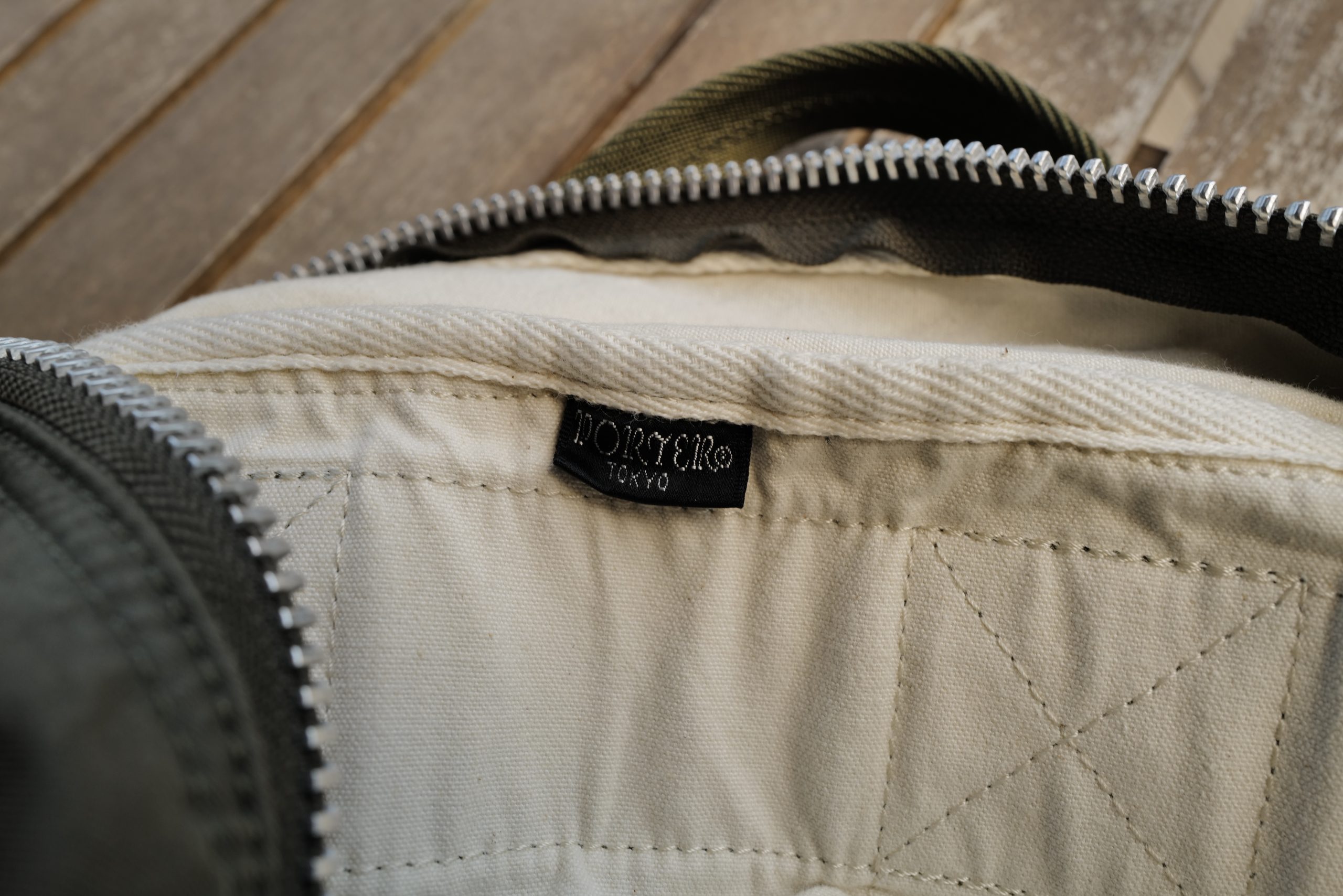
This is why, on the flight home from Japan, I made the decision: I am going to sell the vast majority of my bags, and go all in on Porter. And that is why there’s about to be a shitload of reviews of Porter bags coming out.
I’m still open to other brands, but my money is moving towards one brand only.