This week: better projects for Claude using my vibe coded apps.
You must be a member to read the rest of this article. (Already a member? Log In.)

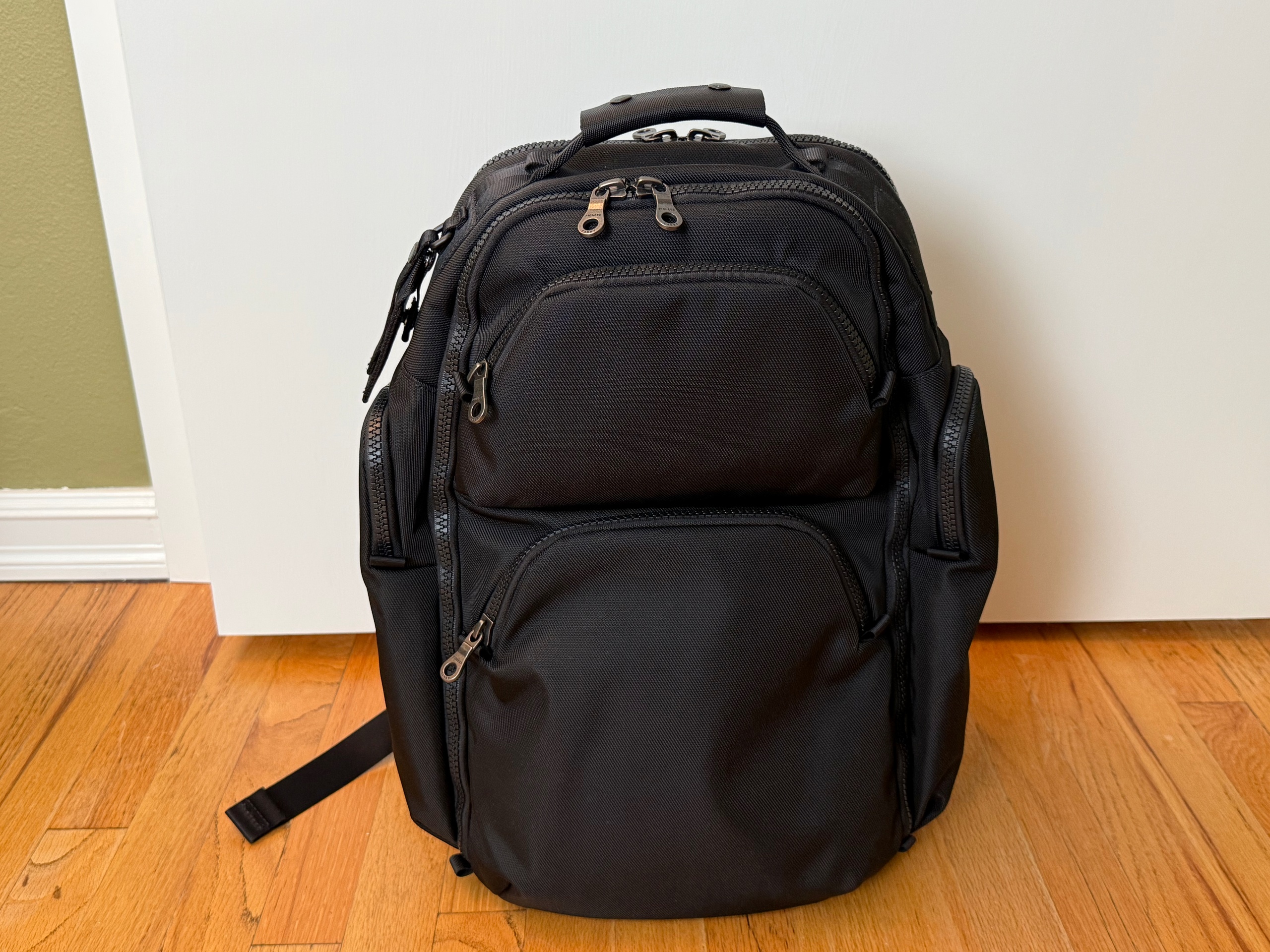
Note: this item was provided for review.
I have tested a lot of Pioneer Carry bags now, and they have a common theme that this bag builds on: excellent materials and well-designed pockets. This means that Pioneer Carry is one of the only companies I always say yes to when they offer to have me check out new things, which is why we have their Panda Pack XL to look at today.
Spoiler: this backpack is flippin’ sweet.

Nearly a week ago now, the goodwill Proton had built up with the nerdy folks (like me) who use and love it, imploded because of their CEO. 404Media’s Joseph Cox broke all this news at the end of October.
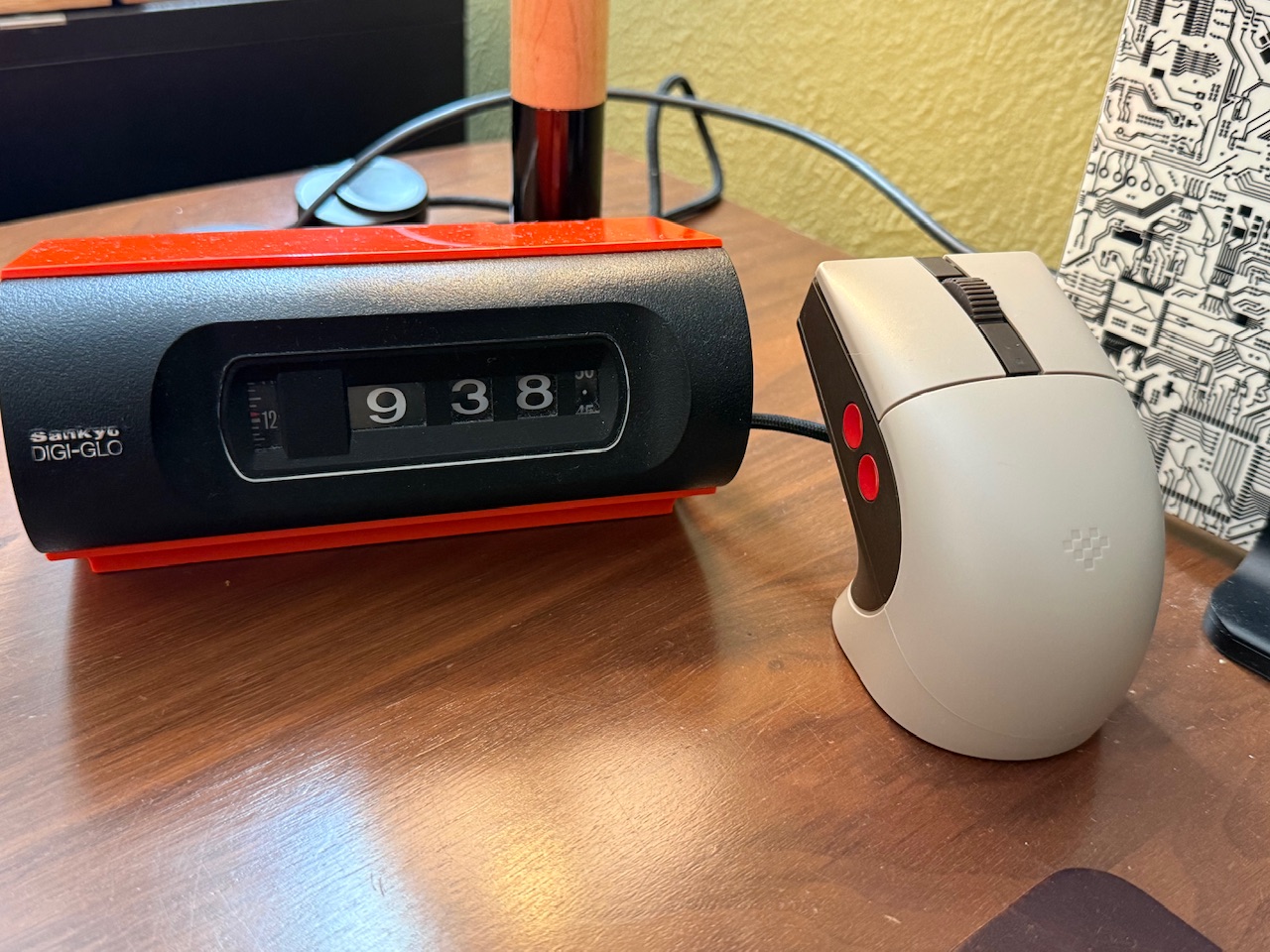

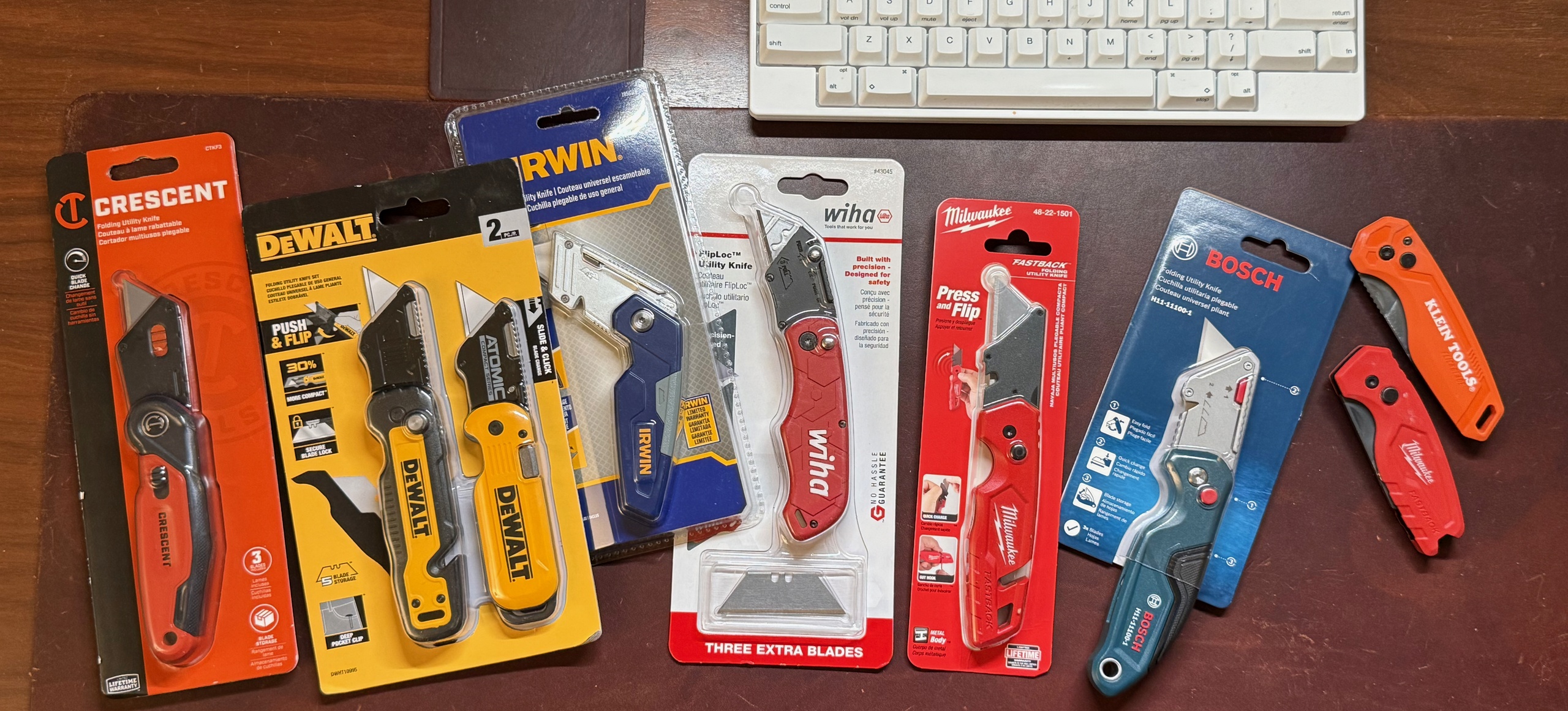
If you’ve been paying attention at Home Depot, one of the most popular utility knives you can buy is Milwaukee’s Fastback lineup. These are well liked for the tool-less blade changes, flick-open-and-closed design, low price, and, on some models, extra features.
Thing is, there’s a lot of competition in this space, so are those actually the best ones? Well, they are, but I didn’t know that, so I went out and bought a lot, and then used them. So let’s talk about those so you know what I know.
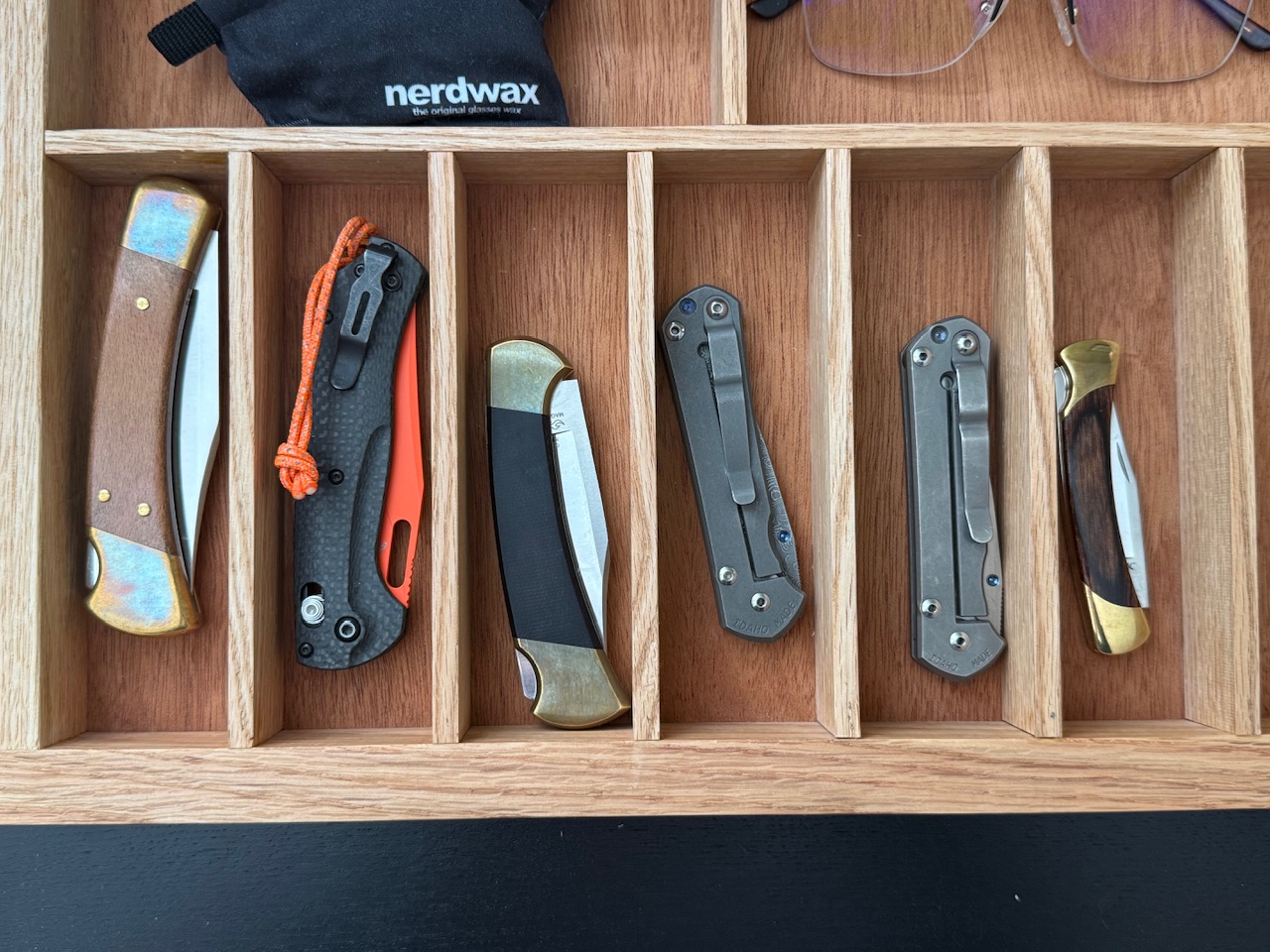
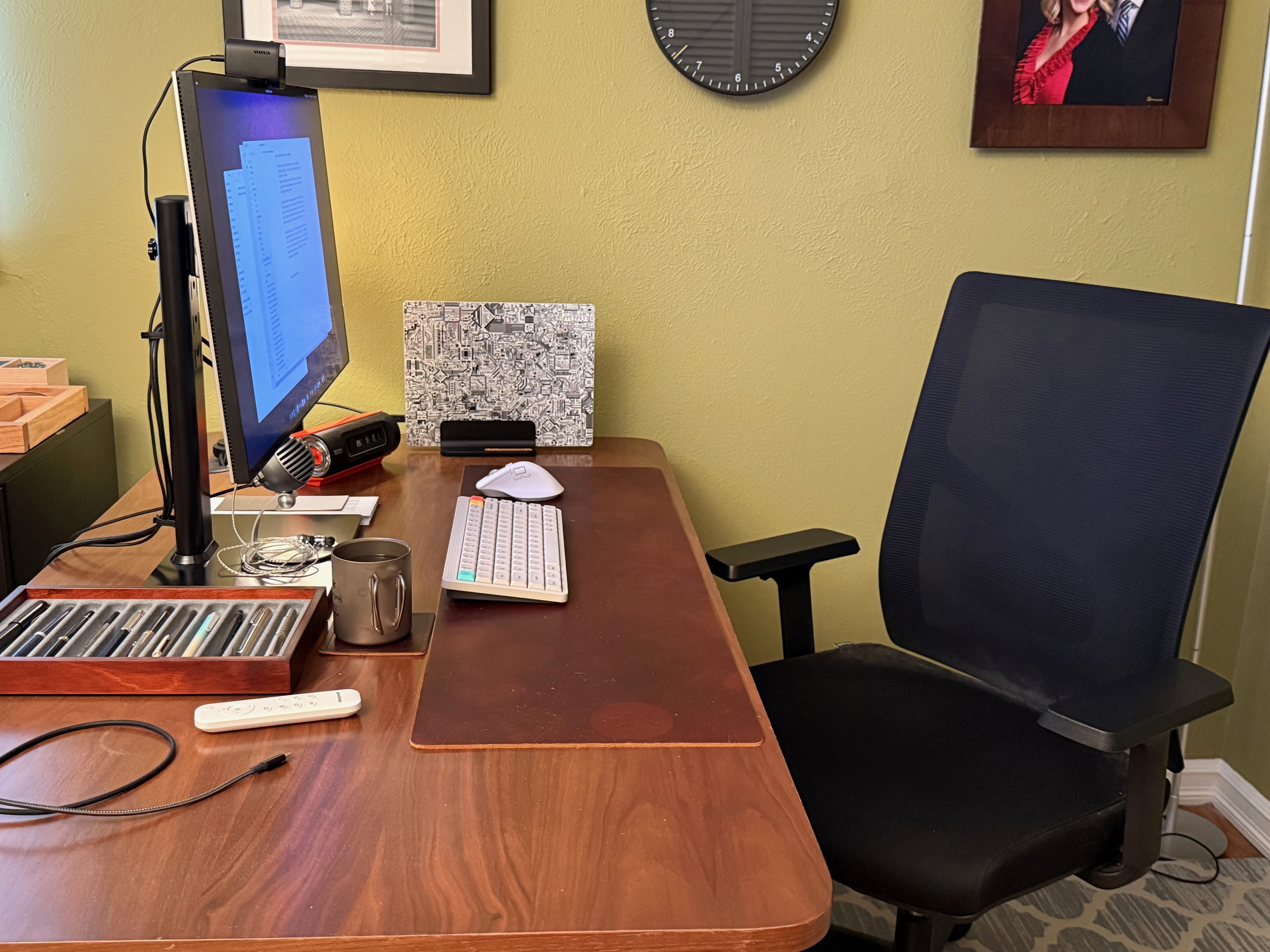
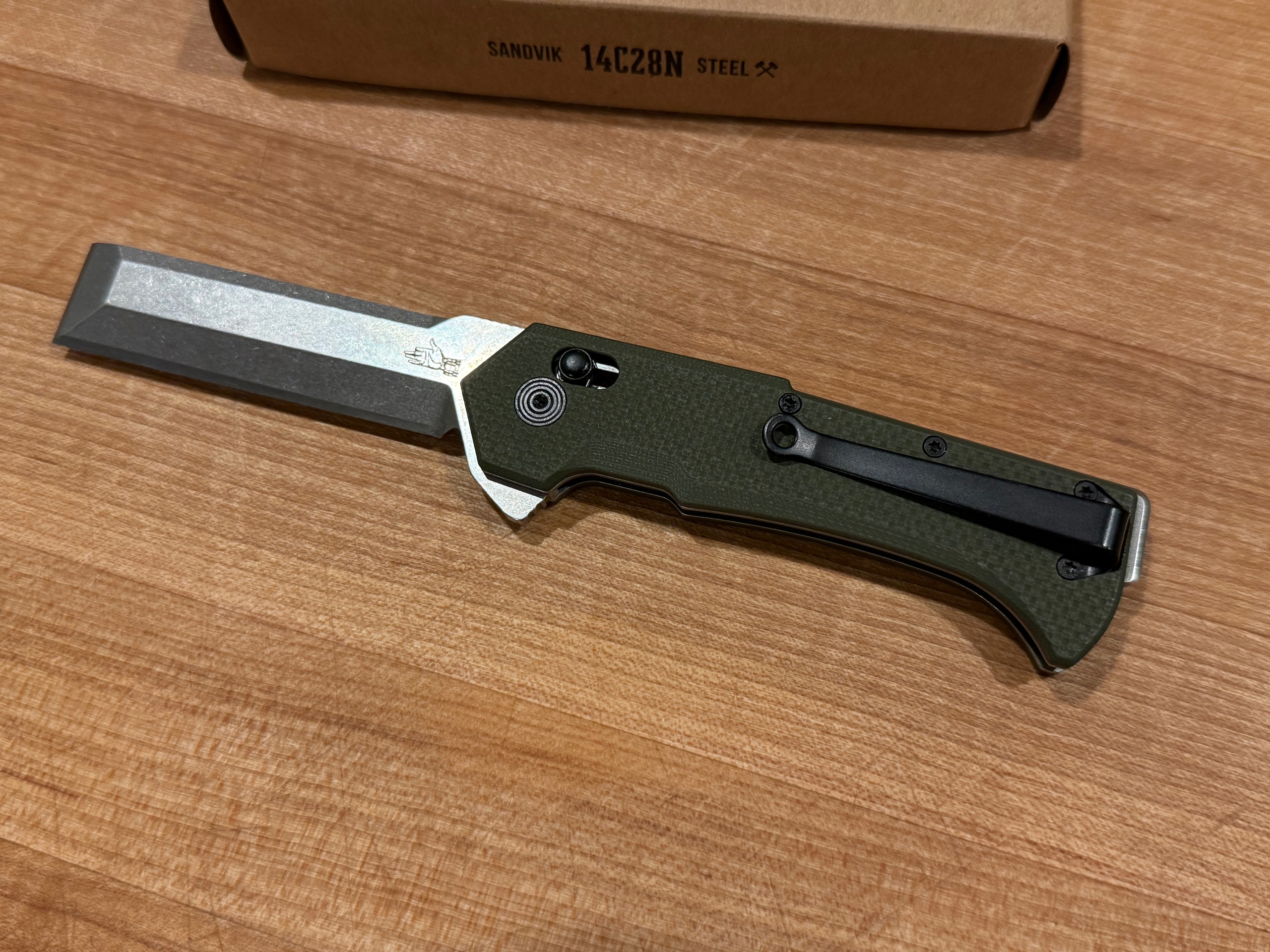
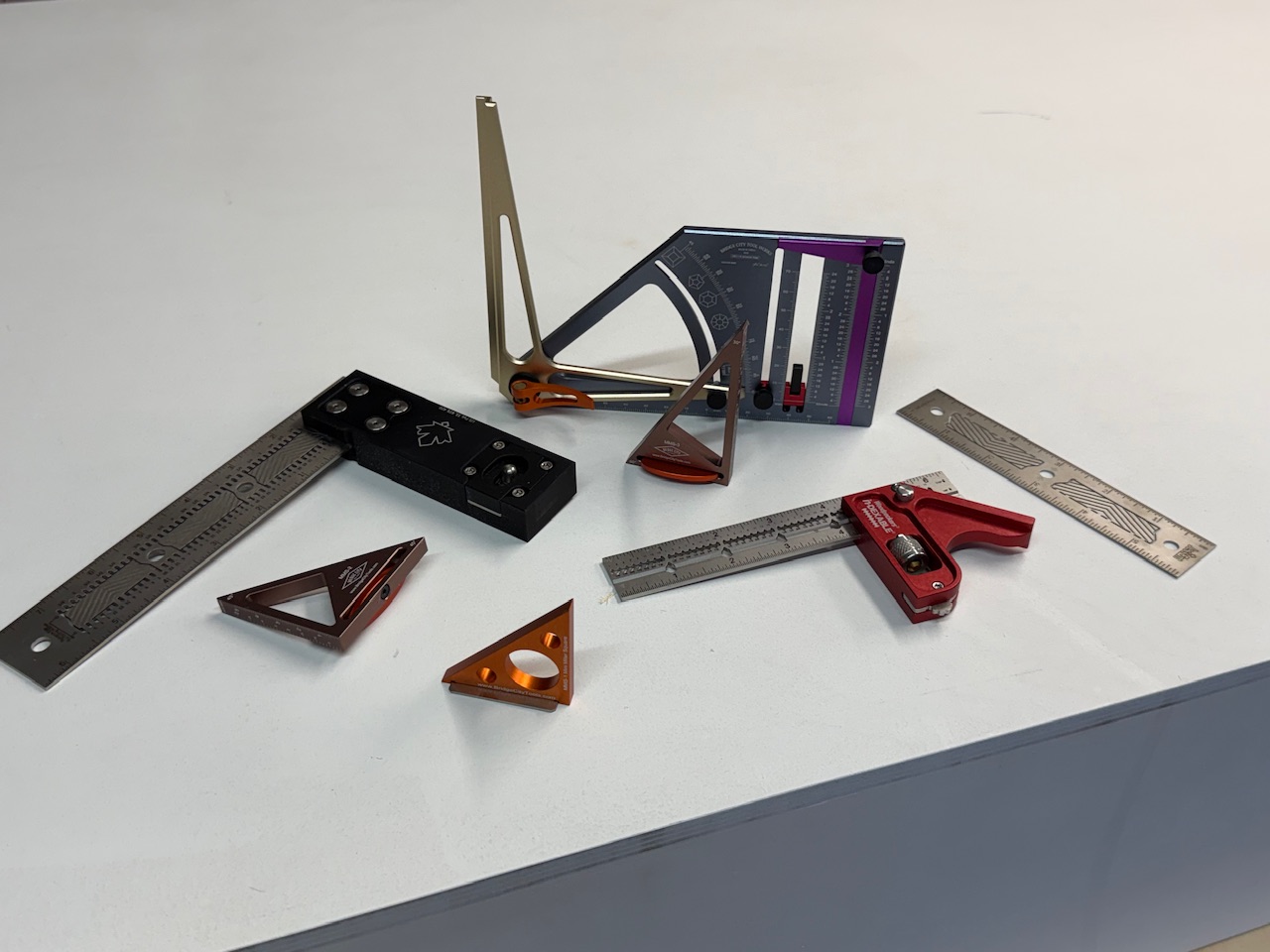
I’ve been watching a lot of YouTube woodworking content for the past several months, mostly to improve my skills and see how others do things. As part of that, you are confronted with loads of Woodpeckers tools, and Festool. That’s fine, but there are quite a few items that these woodworking YouTubers create themselves, and over the last few months I have purchased some.
So today, I want to talk about some tools made by these folks, and see what’s actually good, or not.
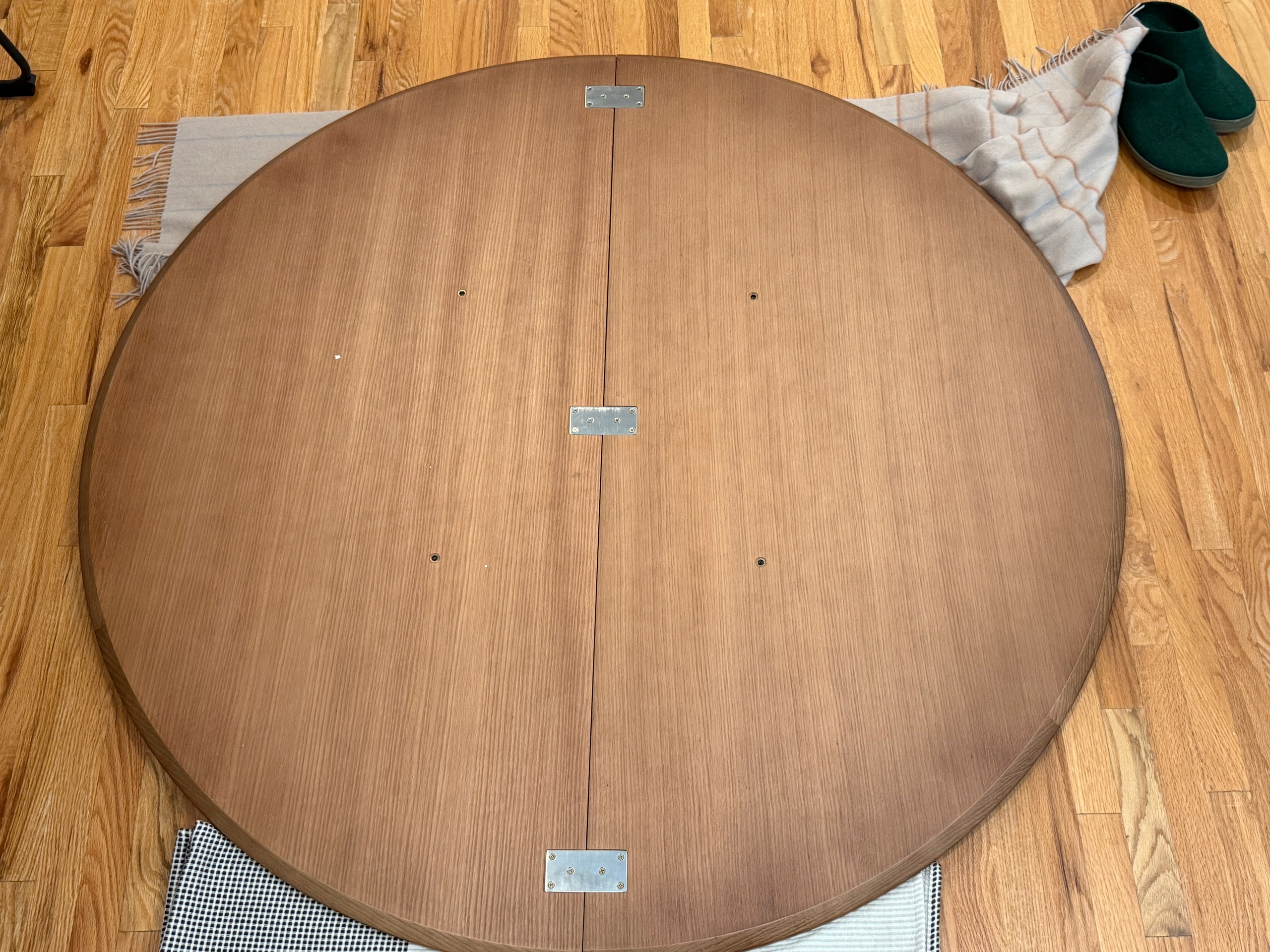
I mentioned this in my post about why I’m going to be talking about tools more, but in addition to tools, I’m going to be talking about some of the projects I’ve been doing — because why not, it’s my site. Anyways, if you missed my rant about cheap furniture, you can read it here, but here’s the short version: furniture has gotten more expensive and worse in quality across the board. Thus, buying something very high-quality with a lifespan in the decades range is nearly unaffordable for most.
So, I thought I would talk about two tricks I employ when it comes to trying to make cheap furniture slightly better and last longer — and certainly feel more stable. These require next to zero skill, other than a little planning.
Let’s start with a basic set of tips.

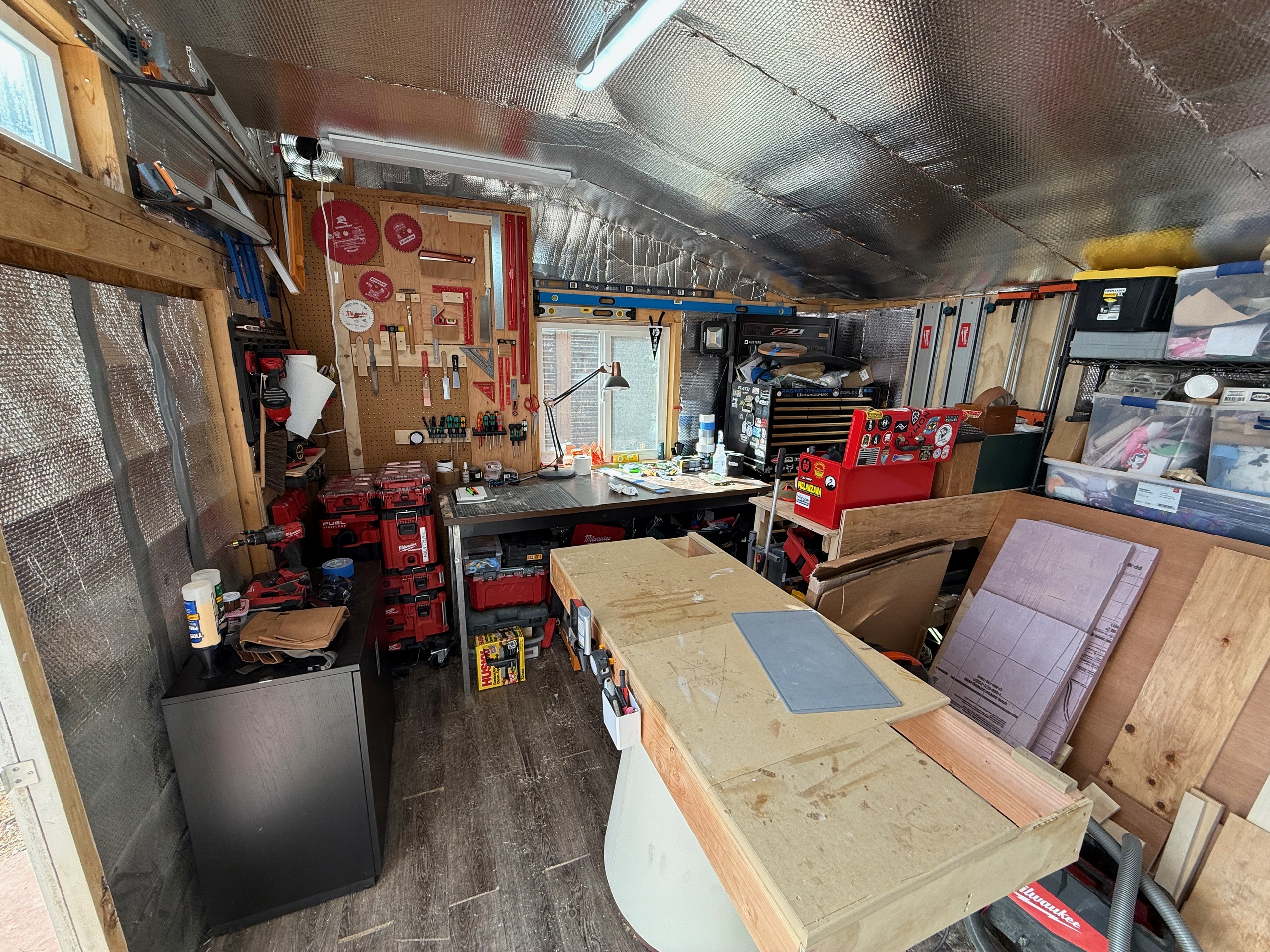
I guess before I start publishing more tool reviews, I should talk a little about why I chose what I chose. And I chose Milwaukee, mostly because it’s red. No, I am joking — I have reasons.
There’s a litany of practical ways you can choose tools. But how you start is one of two paths. Oh shit, wait, I forgot one more important thing: basically all the solid brands do the same thing and have all the general tools you could want, and the differences are so minute that it doesn’t matter a whole lot in the end what you pick.
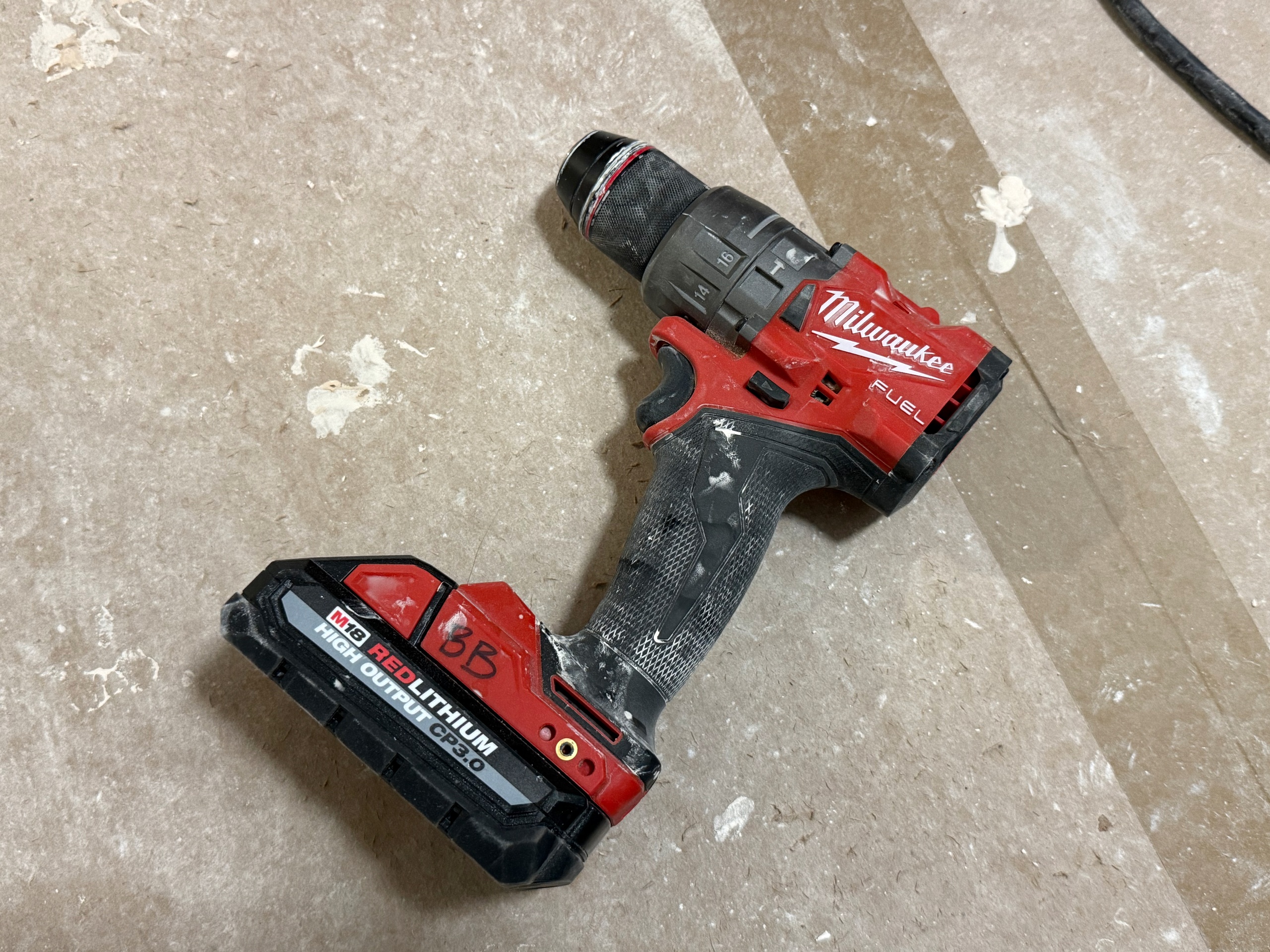
What I wasn’t planning on doing when I started these home projects was buying a new 18v drill, but when my old cordless drill started smoking under load, it seemed like a good time for an upgrade. As it turns out, that old hammer drill/driver I had was manufactured around 2013 — quite some time ago in battery-powered tool years — and it lasted a long time. So I needed to find a good drill, and I had already decided on Milwaukee as the move (that’s a different article).
Since getting this drill, I’ve used it a lot — starting with demo, then construction, and so on and so forth. I feel confident that I have enough use on this to back up my impressions of it. And my impressions are almost entirely positive — this is a very good drill.