Top Posts

Leica Sofort 2June 13, 2024
Grand Seiko SBGX261February 23, 2023

Recent Articles

  • I Like to Pay for Apps, Just Not Yours

    Riccardo Mori on the annoying negative App.net comments from many bloggers: Brief aside: $36 per year is not a fortune. They keep insisting how paying for apps and services is the right thing to do. What’s the harm in giving $36 as a donation to support the cause, even if they’re not active App.net users?…

    Riccardo Mori on the annoying negative App.net comments from many bloggers:

    Brief aside: $36 per year is not a fortune. They keep insisting how paying for apps and services is the right thing to do. What’s the harm in giving $36 as a donation to support the cause, even if they’re not active App.net users? Or why not switch to a monthly subscription, try to get involved again, see what happens?

    Mori has some really good points in his post.

  • Firefox

    Khoi Vinh: But I still get a good deal of satisfaction out of supporting the Mozilla Foundation and its good works. And more than that, I like using a browser that is not owned by one of the major tech companies; that’s an independence that is becoming rare and may one day become a luxury.…

    Khoi Vinh:

    But I still get a good deal of satisfaction out of supporting the Mozilla Foundation and its good works. And more than that, I like using a browser that is not owned by one of the major tech companies; that’s an independence that is becoming rare and may one day become a luxury.

    I haven’t used Firefox regularly in over 6 years. It feels too slow to me where Safari and Chrome seem snappy. I do have fond memories of Firefox from my college course. I remember walking into the classroom and seeing the switch to Firefox campaign URL scrawled across the whiteboard. It seemed like such a great anti-IE movement back then. I loved it.

  • Seattle’s Minimum Wage Plan Is Probably Not Going to Crash Its Economy

    Matt Taylor on the new minimum wage plan in Seattle, which hikes it to $15/hr over the course of something like 7 years: Seattle has the capacity to upset the status quo, boost the quality of life for workers, and make a lot of economists and political elites look stupid in the process.

    Matt Taylor on the new minimum wage plan in Seattle, which hikes it to $15/hr over the course of something like 7 years:

    Seattle has the capacity to upset the status quo, boost the quality of life for workers, and make a lot of economists and political elites look stupid in the process.

  • Would I go back to Twitter?

    Manton Reece: We can’t rewind the clock to when Twitter was a tiny company that cared more about developers than advertisers, so I won’t be back.

    Manton Reece:

    We can’t rewind the clock to when Twitter was a tiny company that cared more about developers than advertisers, so I won’t be back.

  • Quote of the Day: Scott Williams

    “I do think that a lesson to take away from this is that identity is important and needs to be clear to customers.” — Scott Williams

    “I do think that a lesson to take away from this is that identity is important and needs to be clear to customers.”
  • Going Against the Grain

    Justin Williams: People may write off ADN as a failed experiment and maybe it technically is, but it was always a risky proposition. They always were going against the grain and seemed like a longshot to succeed. We need more people to take risks like that.

    Justin Williams:

    People may write off ADN as a failed experiment and maybe it technically is, but it was always a risky proposition. They always were going against the grain and seemed like a longshot to succeed. We need more people to take risks like that.

  • Working from Home

    Great advice from Matt on working from home well. I don’t work from home any longer, but a lot of his advice applies to people that work unsupervised in any way.

    Great advice from Matt on working from home well. I don’t work from home any longer, but a lot of his advice applies to people that work unsupervised in any way.

  • The Office from Beginning to End

    Jill Lepore’s troubling summation: Leisure may be over, but that’s only because when your office is a cloud it follows you everywhere. The arrangement that began in the nineteenth-century factory and lived on through the twentieth-century office may end soon; if so, the two-century-long separation of home and work will turn out to have been…

    Jill Lepore’s troubling summation:

    Leisure may be over, but that’s only because when your office is a cloud it follows you everywhere. The arrangement that began in the nineteenth-century factory and lived on through the twentieth-century office may end soon; if so, the two-century-long separation of home and work will turn out to have been a historical anomaly. Work will no longer be a place, and home no longer an escape.

    That’s what worries me the most, and if you own your own business you know exactly how bad it really is.

  • App.net State of the Union

    Dalton Caldwell and Bryan Berg: The bad news is that the renewal rate was not high enough for us to have sufficient budget for full-time employees. After carefully considering a few different options, we are making the difficult decision to no longer employ any salaried employees, including founders. Dalton and Bryan will continue to be…

    Dalton Caldwell and Bryan Berg:

    The bad news is that the renewal rate was not high enough for us to have sufficient budget for full-time employees. After carefully considering a few different options, we are making the difficult decision to no longer employ any salaried employees, including founders. Dalton and Bryan will continue to be responsible for the operation of App.net, but no longer as employees. Additionally, as part of our efforts to ensure App.net is generating positive cash flow, we are winding down the Developer Incentive Program. We will be reaching out to developers currently enrolled in the program with more information.

    As you expected right? ((Everyone likes to say something is doomed, but only admit when they are right and not when they are wrong. You notice that?))

    I had hoped it would turn out different for App.net, but for me the writing was on the wall just six months after App.net was launched. At that point all the “popular” kids from Twitter were more or less fully back on Twitter and not engaging on App.net.

    Sure, it wasn’t their job to stay on App.net and you can argue it was App.net’s job to keep them there, but I think a lot of people ‘backed’ App.net on the assumption that it is where some, or all, of the people pushing it were going to go. When those people didn’t stay, the others had little reason to stay themselves.

    It’s a nasty cycle and it’s hard to break: giving big users reasons to stay so that you can keep the rest of the users.

    I greatly enjoy App.net, but what I’ve gotten the most from it is the knowledge that I really don’t care about these types of social networks — in that I really don’t get satisfaction out of using them — and so now I know I just really don’t need them. I won’t be leaving, but this certainly isn’t that shocking of news.

  • Hoefler & Co. Fonts on iOS

    This is huge for iOS users. You can now install Hoefler & Co. fonts directly for use on your iOS device. It’s as easy as tapping a link on their website, which installs a profile in settings and viola your fonts are there. I just added a few and it works smoothly and Pages/Numbers/etc recognize…

    This is huge for iOS users. You can now install Hoefler & Co. fonts directly for use on your iOS device. It’s as easy as tapping a link on their website, which installs a profile in settings and viola your fonts are there. I just added a few and it works smoothly and Pages/Numbers/etc recognize the change immediately.

    I say this is huge not because iOS fonts are shitty, but because I use Ideal Sans for all my documents and now I can finally edit them on my iPad without having to substitute the font — that’s what is huge.

  • The Questionable Link Between Saturated Fat and Heart Disease

    Nina Teicholz: The real surprise is that, according to the best science to date, people put themselves at higher risk for these conditions no matter what kind of carbohydrates they eat. Yes, even unrefined carbs. Too much whole-grain oatmeal for breakfast and whole-grain pasta for dinner, with fruit snacks in between, add up to a…

    Nina Teicholz:

    The real surprise is that, according to the best science to date, people put themselves at higher risk for these conditions no matter what kind of carbohydrates they eat. Yes, even unrefined carbs. Too much whole-grain oatmeal for breakfast and whole-grain pasta for dinner, with fruit snacks in between, add up to a less healthy diet than one of eggs and bacon, followed by fish. The reality is that fat doesn't make you fat or diabetic. Scientific investigations going back to the 1950s suggest that actually, carbs do.

  • Additional Fujifilm X-M1 Images

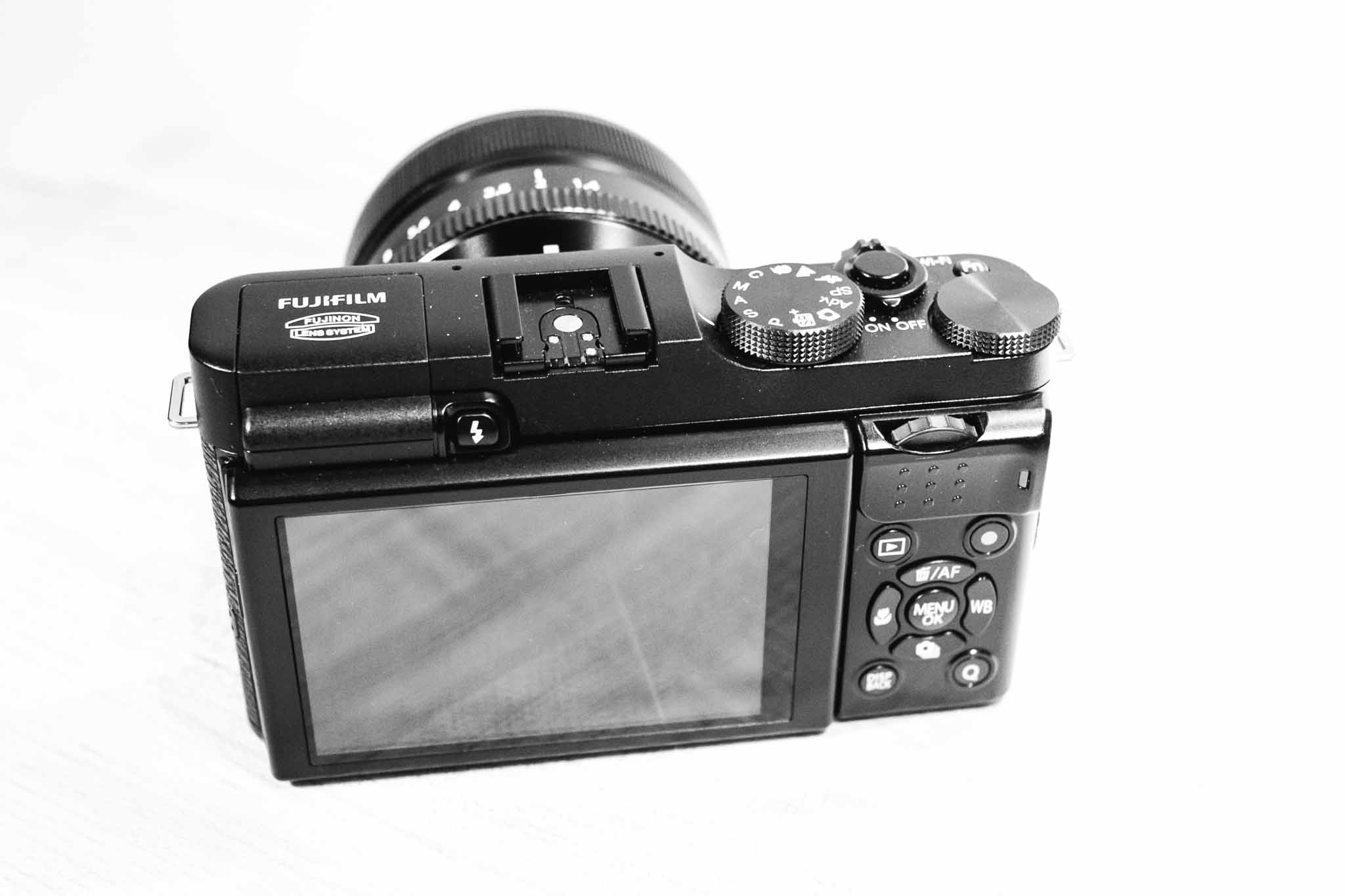
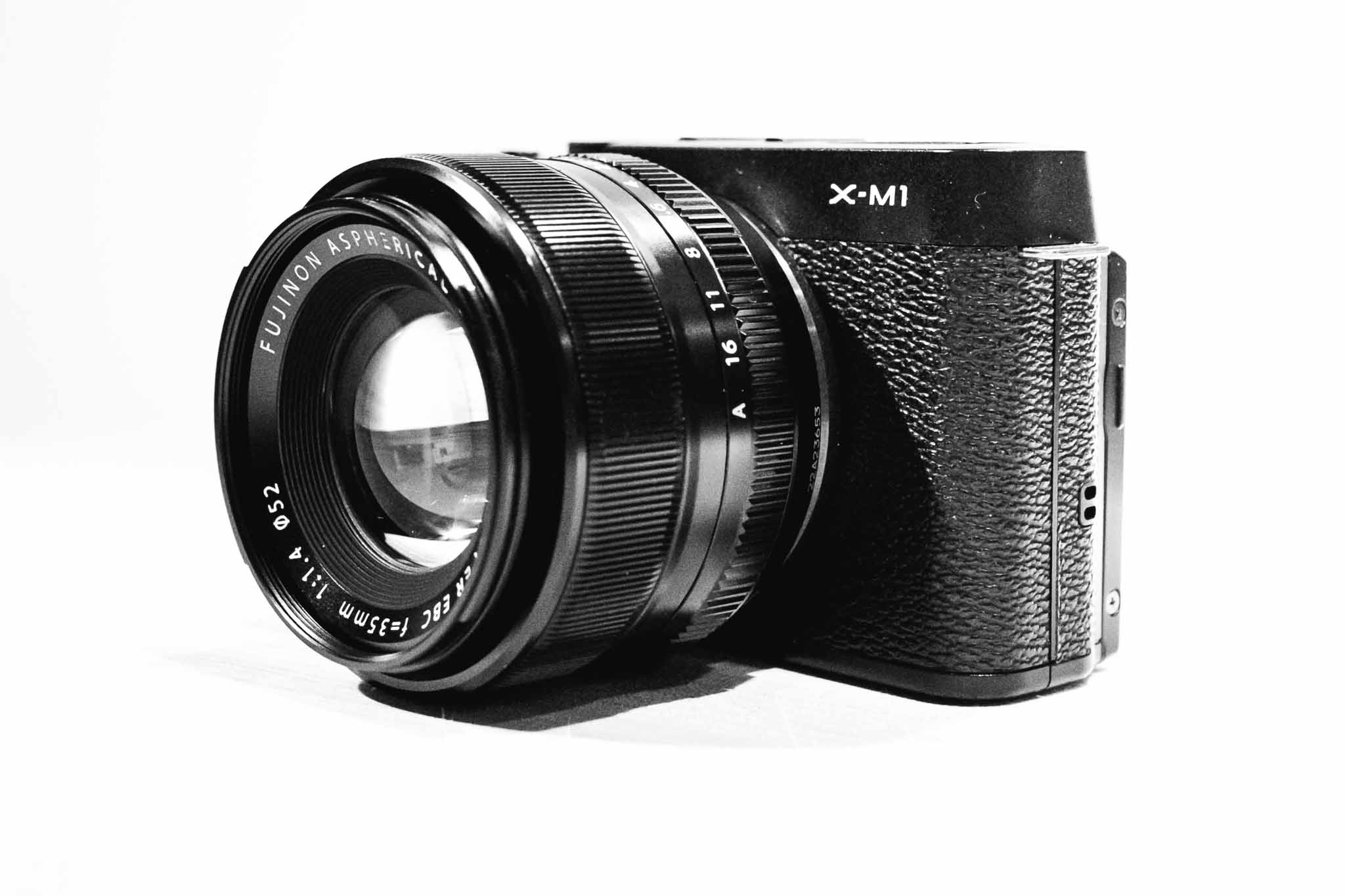
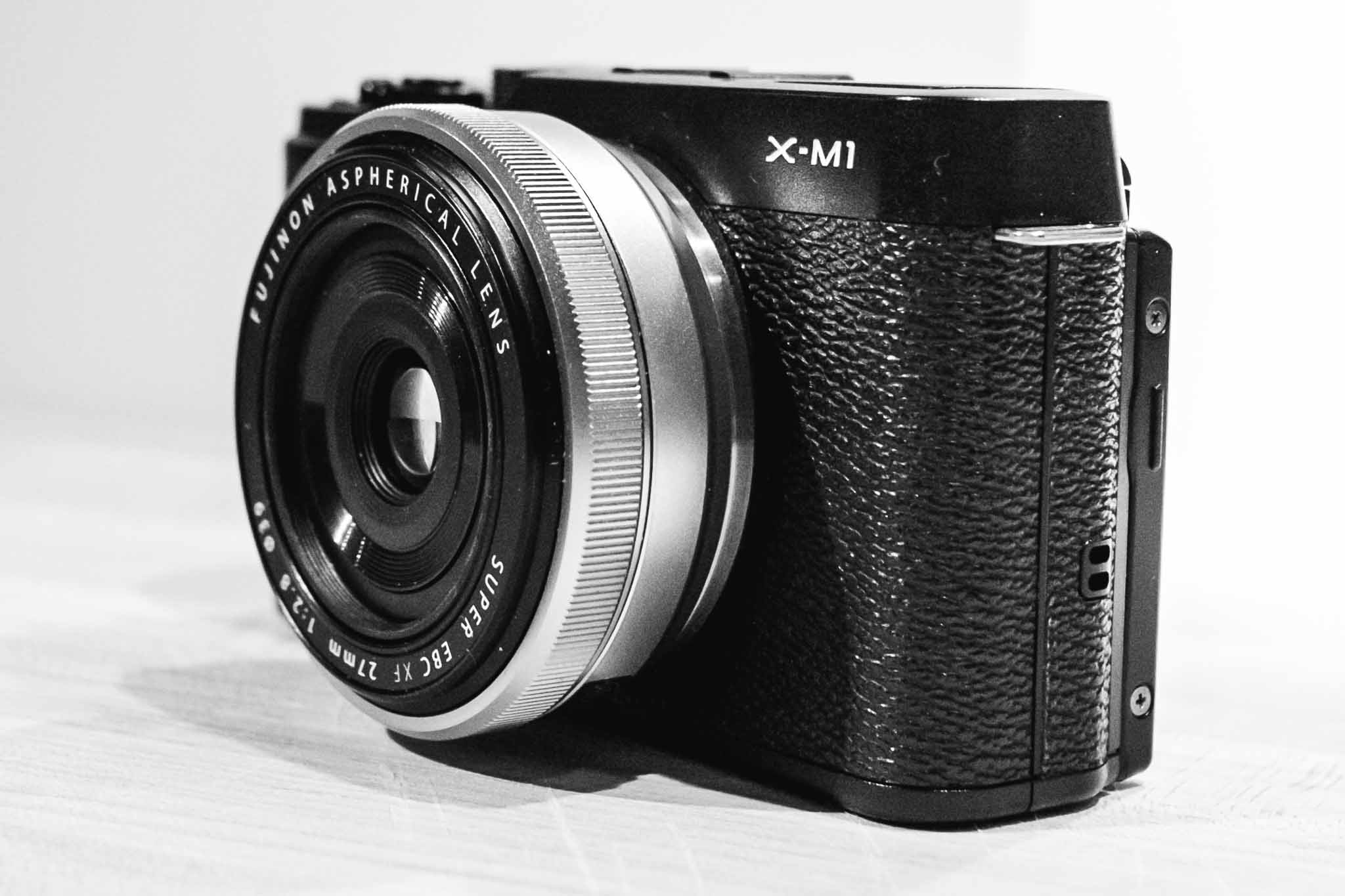
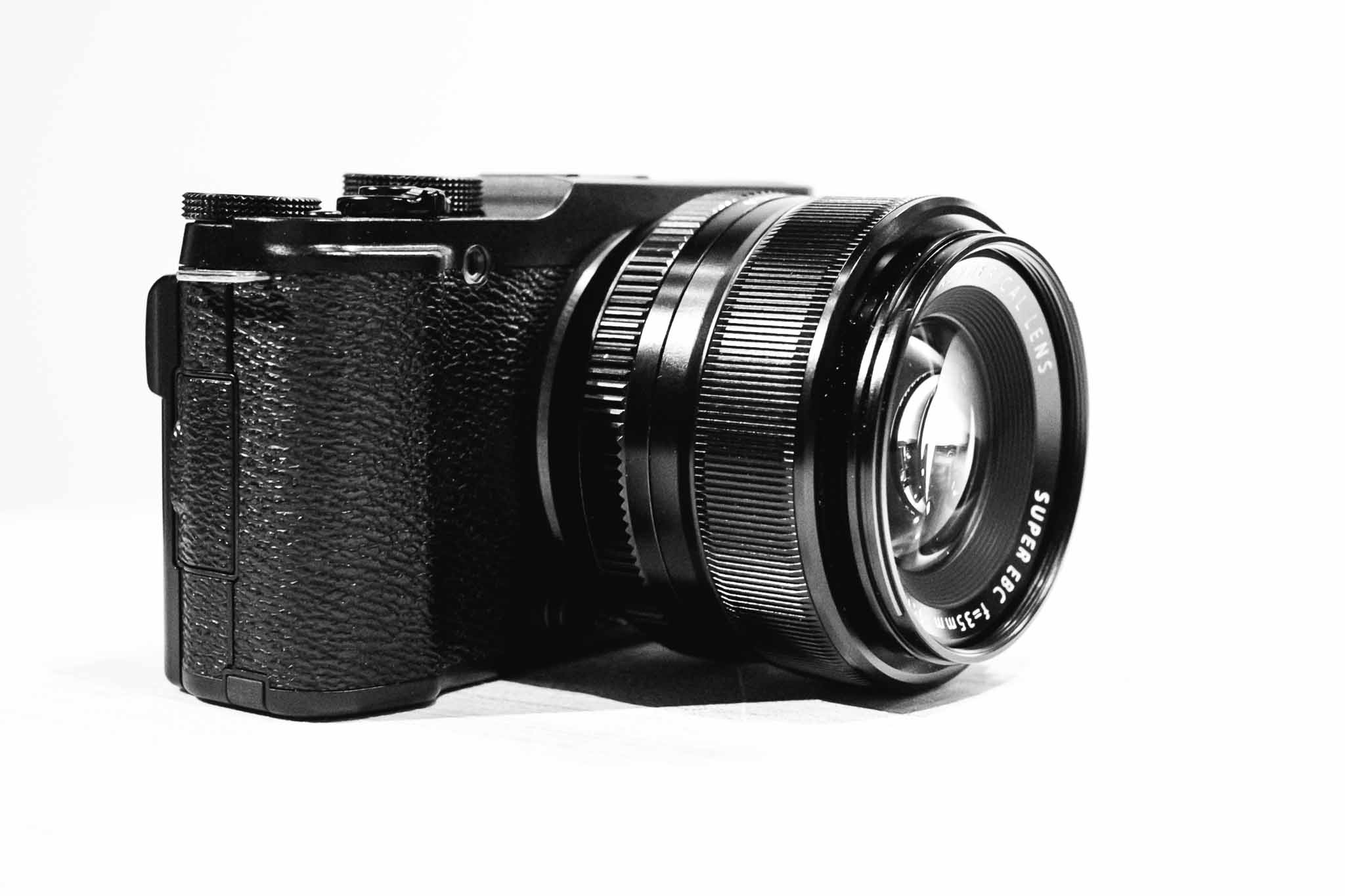
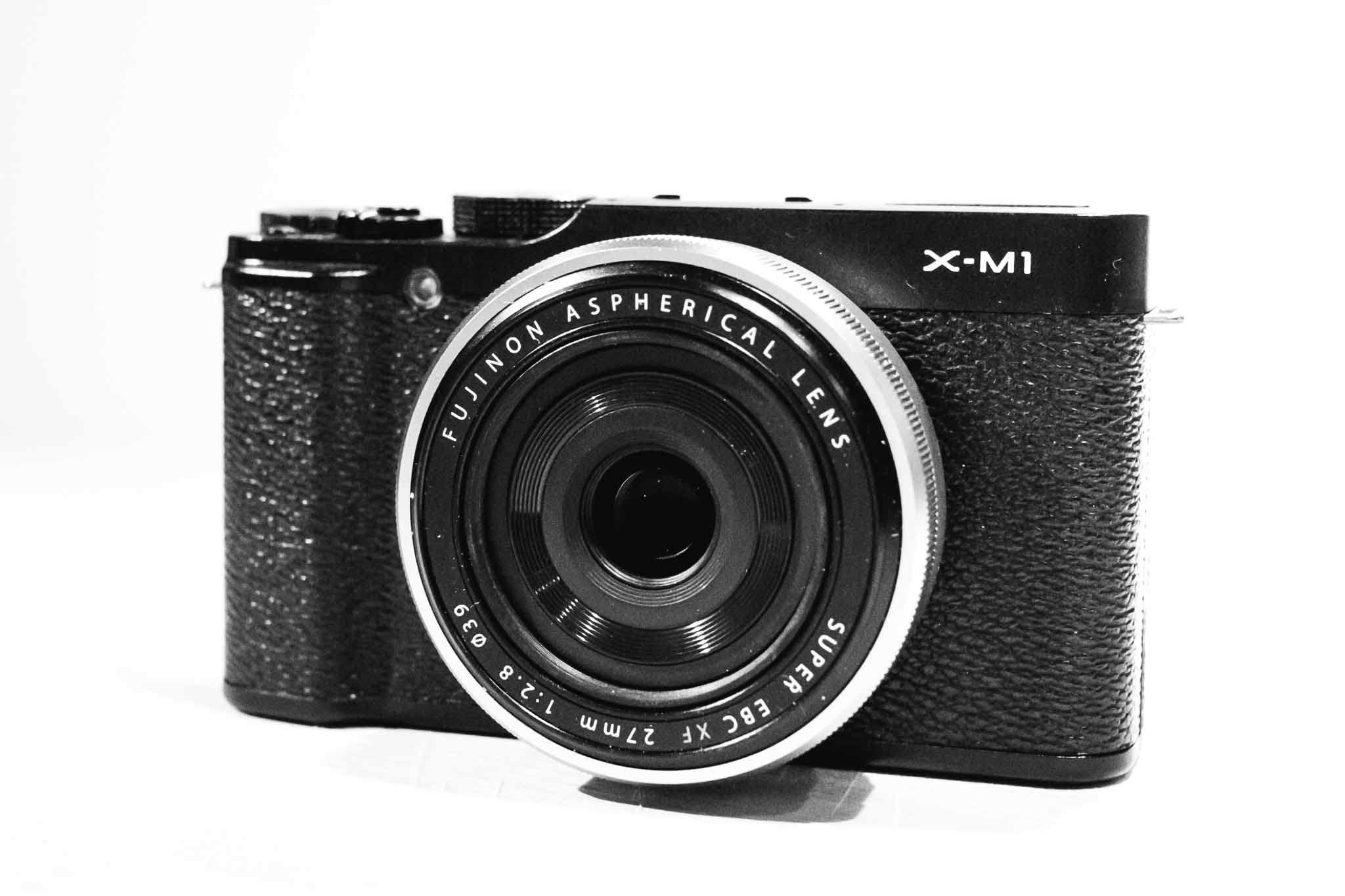
    Shawn Blanc pointed out after I posted my review that I didn’t include enough images of the camera itself. I’m posting now to rectify that oversight. Back of camera, illustrating that dial I am not a fan of. With the 35mm f/1.4 lens attached. With the 27mm f/2.8 pancake (silver variant) attached. With the 35mm…

    Shawn Blanc pointed out after I posted my review that I didn’t include enough images of the camera itself. I’m posting now to rectify that oversight.

    Back of camera, illustrating that dial I am not a fan of.

    With the 35mm f/1.4 lens attached.

    With the 27mm f/2.8 pancake (silver variant) attached.

    With the 35mm f/1.4 lens attached.

    With the 27mm f/2.8 pancake (silver variant) attached.

    With the 35mm f/1.4 lens attached.

  • Louis C.K. Against the Common Core

    My wife told me about this ‘new math’ bullshit a few weeks ago and it stumped me. I’m not great at math, or teaching for that matter, but none of this seems very logical.

    My wife told me about this ‘new math’ bullshit a few weeks ago and it stumped me. I’m not great at math, or teaching for that matter, but none of this seems very logical.

  • Arbitrary scheduling in Keyboard Maestro

    Good tip, and I agree with Matt Henderson the biggest problem with Keyboard Maestro is that it needs about 10,000 more pages of documentation.

    Good tip, and I agree with Matt Henderson the biggest problem with Keyboard Maestro is that it needs about 10,000 more pages of documentation.

  • GR1 Straps

    Kyle Dreger on the GORUCK GR1: Although the straps took a week to break in, weight from the bag now feels evenly distributed across my chest and shoulders. I can pack the GR1 full with books, clothes, and my laptop, and it still feels comfortable to carry around. I can vouch for this. They straps…

    Kyle Dreger on the GORUCK GR1:

    Although the straps took a week to break in, weight from the bag now feels evenly distributed across my chest and shoulders. I can pack the GR1 full with books, clothes, and my laptop, and it still feels comfortable to carry around.

    I can vouch for this. They straps are bulky compared to almost every other backpack I have tried, but after a week or so they feel damn comfortable. They feel like they mold to you, to your body, and I haven’t felt that with the other bags I test.

    That said there are scientific reasons why such large straps may not be ideal — personally I find most well made bags are comfortable no matter the strap design.

  • Review: Fujifilm X-M1

    Disclaimer: This is a review camera sent to me from Fujifilm America for the explicit purpose of a review. No money changed hands, nor was there any restriction on what I may or may not write. While older, and therefore far less exciting than some of the newer cameras coming out (e.g. X-E2, and X-T1)…

    Disclaimer: This is a review camera sent to me from Fujifilm America for the explicit purpose of a review. No money changed hands, nor was there any restriction on what I may or may not write.
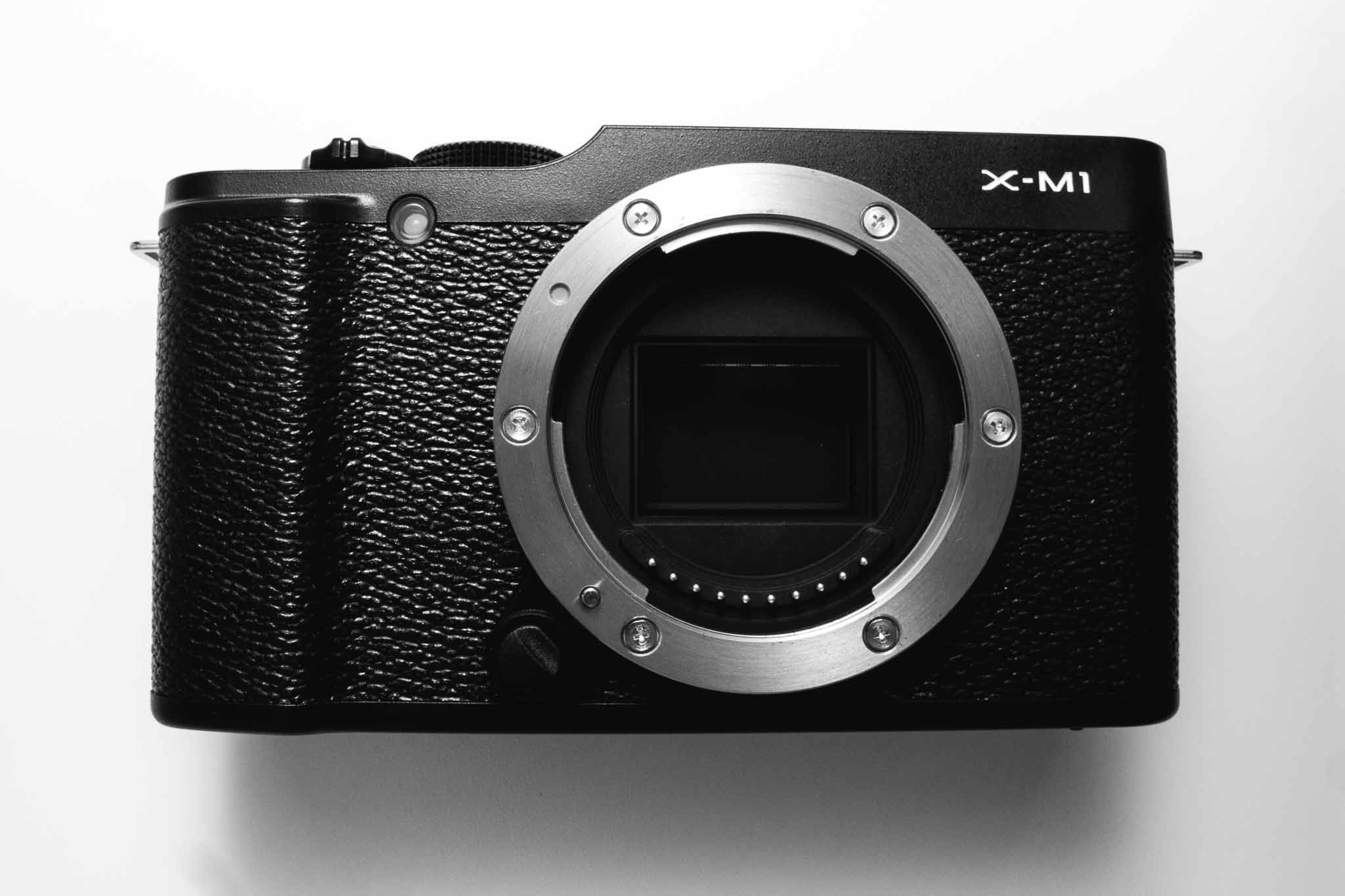
    While older, and therefore far less exciting than some of the newer cameras coming out (e.g. X-E2, and X-T1) the X-M1 is a very interesting model. Some would look at it as an ‘entry’ level camera, but in this case that isn’t being very accurate.

    The X-M1 is smaller than the other X-series camera and lacks many of the manual controls that makes the line popular, but that doesn’t mean it is a dumbed down camera. What’s interesting about Fujifilm is that they don’t really hold back features for the sake of up-selling customers. So the X-M1 has the more traditional ‘Mode’ dial instead of the shutter speed, but otherwise it functions similarly to the X-E2, just in a smaller package.

    Most notably the camera still has the X-Trans sensor (though the older version 1 sensor, not the X-Trans II) and it still has WiFi and yet adds on a tillable LCD.

    Featureless this camera is not.

    I’ve been keen to try this camera ever since I realized two things:

    1. The X100s is about the same size as my X-E2 and thus seems silly to buy.
    2. I really want to leave a good digital camera with my wife, while still also having one for me to carry, but I don’t want more lenses.

    The latter is what pushed me to looking at the X-M1, so it was by happy coincidence that Fujifilm offered to send me one.

    Handling

    The X-M1 is not only a more compact offering (with the same APS-C sized sensor), but it is also a less expensive offering. Due to that last fact, the build of the camera is much different from the other Fujifilm cameras I reviewed — it’s made of plastic. Still the camera feels solid to hold and use, but there are a few aspects that I have yet to get used to.

    The rear dial control is the first of those. On the X-E2 and X-T1 this is a horizontally placed dial. You can push in, or jog it left or right. It makes sense. On the X-M1 this is still horizontal, but positioned so that the dial spins on an axis parallel to the ground — or positioned vertically like it would be if it were on the top of the camera. It’s not bad, but it really is in an awkward spot for my thumb to reach.

    I think because of that, I found myself wishing the exposure compensation dial (which is unmarked, and has no stops at either end allowing it to spin all the way around) was a dial that you could reassign. This would be near perfect for the camera, however, you cannot reprogram that button — and I do find the X-M1 to have one less programmable button than what I really need.

    My complaints stop there though. As the body is very compact for the size of sensor, and quality of lenses, but still boasts niceties like a tilting LCD display.

    I’m not even sure I shot with that display flush to the camera the entire time I used it — the tilting display is really nice to have after you go without one for a while.

    Outside of the dial issue, I find little complain about on the X-M1’s handling. It doesn’t handle like the X-E2 and X-T1, instead opting for a more traditional configuration (like what you would find on most dSLRs, or micro four thirds offerings) and feels a lot like my old Panasonic GX1 to me.

    Image Quality

    I was surprised by just how good the older X-Trans sensor is, in fact the only noticeable difference I could detect is better noise handling in the X-Trans II sensor at ISO 6400. Beyond that it looks and feels like my ‘other’ Fuji X-Trans files.

    To me this is the best I could have hoped for and I am very impressed. This is a smaller and cheaper camera, but is only a slight notch under the newer camera in image quality.

    Overall Thoughts
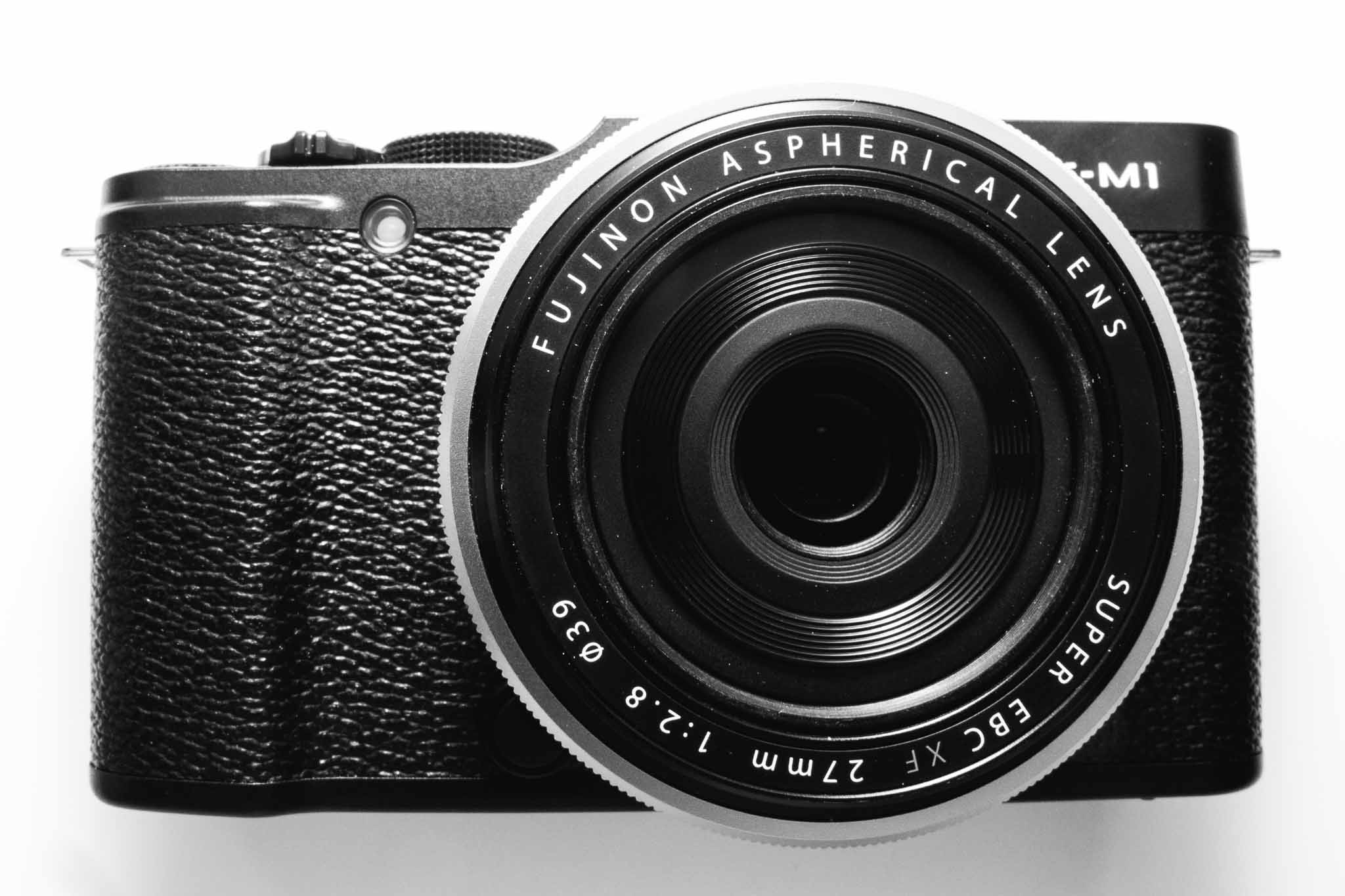
    The majority of my usage of the X-M1 was with the 27mm pancake lens attached. This combination is perfect, as it is sharp, fast-ish, and yet very compact with a useful focal length. I do wish that the pancake wasn’t only an f/2.8 lens — a stop faster would do wonders for indoor photography.

    In all I am torn about this little camera. I love that it is smaller, but I do miss the view finder. More than anything though is that I miss the shutter speed dial (instead the X-M1 has the more common ‘mode’ dial and isn’t nearly as fun to use).

    This is a solid family camera, and can be had for really great prices now. I’m thinking about adding one just so that I have a camera which can kick around the house, and car, but can still accept my other lenses if I need a backup camera for something. I can’t wait to see how the camera is updated, as I suspect it will become only more tempting.

    It’s not a replacement, or even competitor, to the X-E2 and above X-system cameras, but it is a very good and increasingly inexpensive camera. I’d be more than happy with it as my full-time camera and I think you would be mistaken to think this is an entry level camera.

    Buy It

    Photos

    Update: I’ve posted additional images of the camera, here.

    Fujifilm X-M1, 1/4000s 35mm @ f1/.4 ISO 200

    Fujifilm X-M1, 1/550s 27mm @ f/4.5 ISO 400

    Fujifilm X-M1, 1/900s 27mm @ f/6.4 ISO 400

    Fujifilm X-M1, 1/2000s 27mm @ f/2.8 ISO 400

  • Firmware for X-E2 v2.0

    Continuing their tradition of awesome support for released cameras, Fujifilm has added two killer features to the X-E2 via a 2.0 firmware update. Now the X-E2 has selectable focus peaking colors — something I loved about the X-T1, and the ability to toggle face-detection on and off by assigning it to a function button. Both…

    Continuing their tradition of awesome support for released cameras, Fujifilm has added two killer features to the X-E2 via a 2.0 firmware update. Now the X-E2 has selectable focus peaking colors — something I loved about the X-T1, and the ability to toggle face-detection on and off by assigning it to a function button.

    Both two big reasons I would upgrade, now taken away by Fujifilm themselves. Great support.

  • What iOS RSS Readers are Missing

    Since I took the time to dive into Unread and really consider the app, and the app category, I came up with a few things that I think are generally missing for some, if not all, RSS apps. Speed Mode Jared Sinclair, in my Unread review, talked about how most RSS apps seem to be…

    Since I took the time to dive into Unread and really consider the app, and the app category, I came up with a few things that I think are generally missing for some, if not all, RSS apps.

    Speed Mode

    Jared Sinclair, in my Unread review, talked about how most RSS apps seem to be made for what he called ‘triage’ — meaning just getting through the slog of items, but I think all RSS apps should have a triage mode. I should be able to leave my RSS feeds for a week and come back to thousands of items, and get through them all in 30 minutes.

    How? I’d propose that an ideal RSS client can perform some of the magic the same as Fever’s hot list does, by telling you what was popular while you were gone. So the app mode would work something like this:

    1. Enable popularity rankings. Let’s say that is on a simple five point scale, you then tell the app you want to see only articles 3 points or up — and to mark everything else as read.
    2. Now you have a significantly trimmed the list, but you still have to look through all the items. From there I would hope the app can craft a conversation view of posts centering around the same article. That way you can see the main, say, New York Times article, and a listing of the blogs/articles that commented on, and linked to, that main article. This way I can judge if it really was that important based on who is commenting on it.
    3. You should then quickly be able to toss articles to your read later service of choice.

    The overarching goal being to use social networks, and the RSS networks in your reader, to tell you what was popular — and to then take that one step further by only showing you the popular post, and effectively burying the commentary posts about that popular post.

    Two Reading Modes

    For times when you are not triaging you should be able to shift the app between a casual reading mode — something like what Unread is — to a more in-depth reading app. In other words allow me to toggle between something that works like Unread, and something that works more like a (good) digital magazine.

    The in-depth mode should show all the full content for the articles along with images and videos, ready to read as individual pages, so instead of looking at a list of articles you just get articles presented as pages that you flip through as you read them.

    It’s like your own curated magazine. Meant to be read from cover to cover.

    Auto Read Later

    I’d like to be able to mark certain feeds as auto-read-later feeds. I personally know that I like to read everything that Shawn Blanc publishes to his site, so I’d like to flag that feed as one that I never need to see because everything from it just is sent directly to Safari’s reading list.

    This would also weight that feed heavier in my above popularity rating scheme.

    Important?

    As I talked about in the triage section, I think RSS apps should give you indication if you are about to ignore a post that is generating any kind of a ‘buzz’. This could be aggregated from within your RSS feeds, to Twitter/Facebook and other sites.

    Sometimes I gloss over posts that a lot of other people are talking about just because it has a shitty title — such a feature would aim to make me give that post a second thought. Kind of like a: “woah, woah, that’s an article from John Gruber, not a link.”

    Link Blog

    Allow me to post a linked-list style blog post from within the app. Quote, author, snarky comment, title, posted.

    Yes, please.

    Reading Time

    I also mentioned this in my Unread review, but I think RSS apps should show you the reading time of each article right in the list view. And further I think you should be able to hide items over/under X reading time so that you can see all items that can be quickly read, and then check out the longer posts at another time when you want.

    To me that would be a killer feature for allowing me to check my RSS feeds in different ways, at different times and places, throughout the day.

    Handling Linked List Posts

    Last, but not least, RSS feeds should be smart about linked list style posts. If I send that to read later, I don’t always want to send the linked-to article to my read later service. Most of the time I want to send the RSS article — the commentary article — to my read later service.

    In fact, the ideal would be a setting to simultaneously send both the source and commentary articles to my read later service of choice. That way I can read the article and see the opinion of someone I care about.

    Wrap

    RSS readers are mostly differentiated by design at this point, which is good for casual users, but even the powerful Mr. Reader isn’t enough if you are a major RSS user (like me). This list is just the tip of the iceberg for creating an RSS reader that has a feature set which would take RSS from “email style inbox” to a tool for finding great things to read, and actually reading them.

  • Unnecessary Additional Work

    Marco Arment: iOS 7 only “set you back months or years” if you haven’t been paying attention to the iOS development cycle and decided to take on far too much unnecessary additional work with the migration to 7, both of which would cause problems in any year, on any app, with any new OS release.

    Marco Arment:

    iOS 7 only “set you back months or years” if you haven’t been paying attention to the iOS development cycle and decided to take on far too much unnecessary additional work with the migration to 7, both of which would cause problems in any year, on any app, with any new OS release.