Year: 2014

  • The Surface and Windows 8 Problem

    Ben Thompson has a piece up today with his reasoning for killing off the Surface, and even though I disagree with him — I also largely don’t give a shit what Microsoft does with the Surface — far more interesting to me is why Windows 8 failed so miserably.

    Windows 8 seemed like everything users wanted, but yet, nope. I’ve been thinking on this for a few days now and I have a theory: Windows 8 failed because of the Windows third party developers. And while I hate to pin the blame there, I do think a large part of the blame should be heaped on them.

    When you look at a Mac, or iOS app, you can usually tell that it is a Mac or iOS app. You may not know for sure, but there are telltale signs — and while many of these apps look completely different, you can still tell.

    That’s because users of Apple platforms have no tolerance for shitty design.

    Windows, on the other hand, has always been chockfull of shitty design. Some of the software that companies rely on the most still looks like they did twenty years ago. And therein lies a major problem.

    Windows cannot advance its design and feature set unless it also pushes it developers to do so too.

    Imagine a world where Windows 8 launched the same as it is today, but that the top 100(0) Windows apps also launched with fully redesigned UIs to match windows 8 and a touch interface to boot.

    Imagine where the Surface and Windows 8 would be today had that happened. It would have been a gold rush if you ask me. Forget the failings of Windows 8, or why you might not use it, and look strictly at what most people use: shitty Windows.

    Windows 8 is less shitty looking ((I have a theory that many employees don’t want better software, because then they have less excuses as to why work is done.)) , but imagine if the software that only ran on Windows 8 was substantially less shitty looking. Man would employees be clamoring to get to use that.

    In other words, to put this in terms you can relate to, Windows pre-8 was like the iPhone pre retina display, Windows 8 is like iPhone with retina display, larger screen, and iOS 7 all at once. Now imagine barely any apps updated for all three of those issues — you’d hate the iPhone if that were the case because it would be unusable garbage.

    The iPhone only made those leaps because developers invested the time to make those leaps. So far, it doesn’t look like the same is happening with Windows developers, and that is a major issue.
  • The Definitive Shawn Blanc Review of OmniFocus 2 for Mac

    Shawn Blanc:

    Every one of the design changes in OmniFocus 2 for Mac is an improvement on an app that has been desperate for a visual overhaul for years. The visual overhaul has been worth the wait.

    I don't know if I'd go that far, but it is substantially better.

  • Print Sale

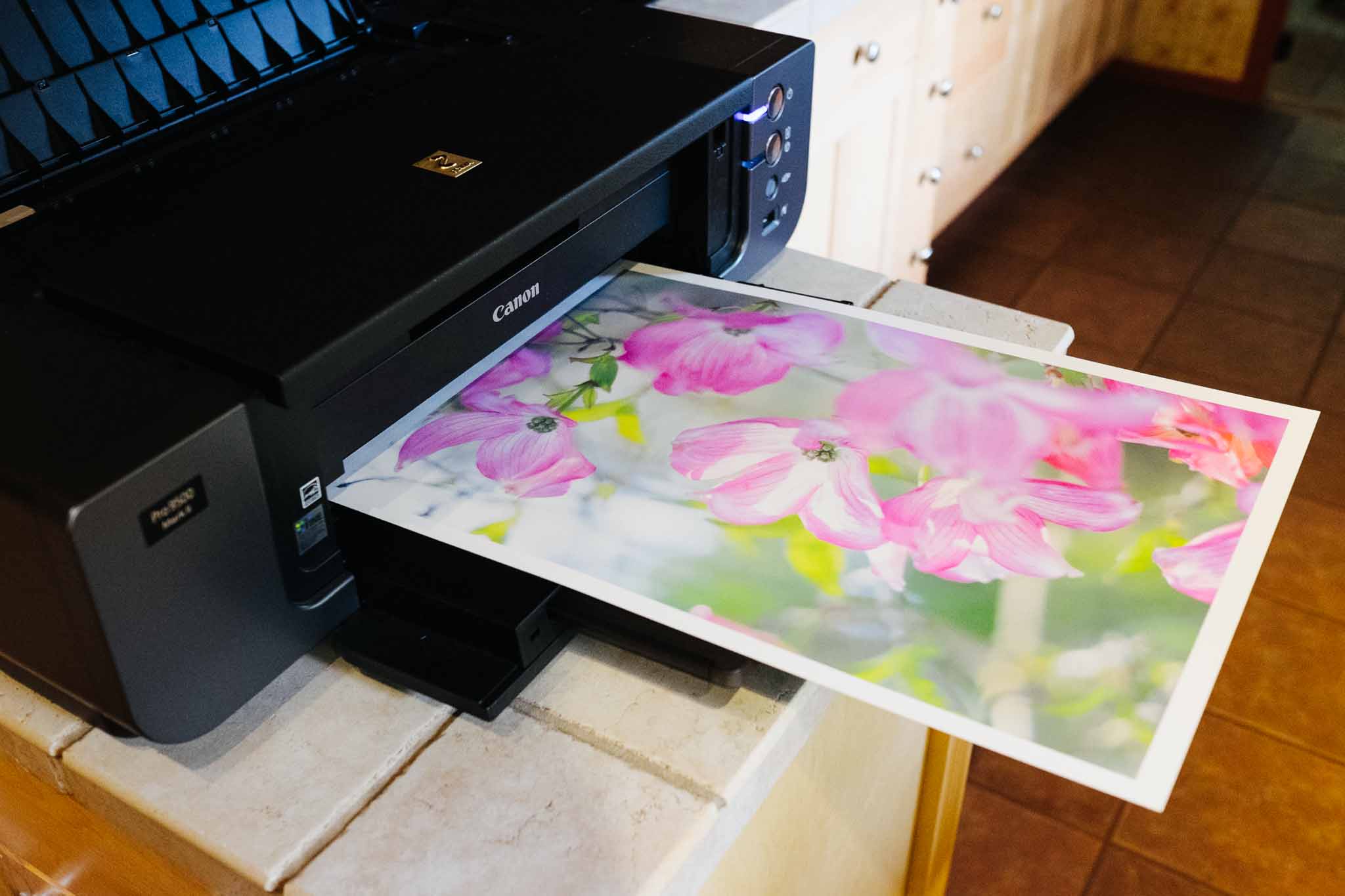
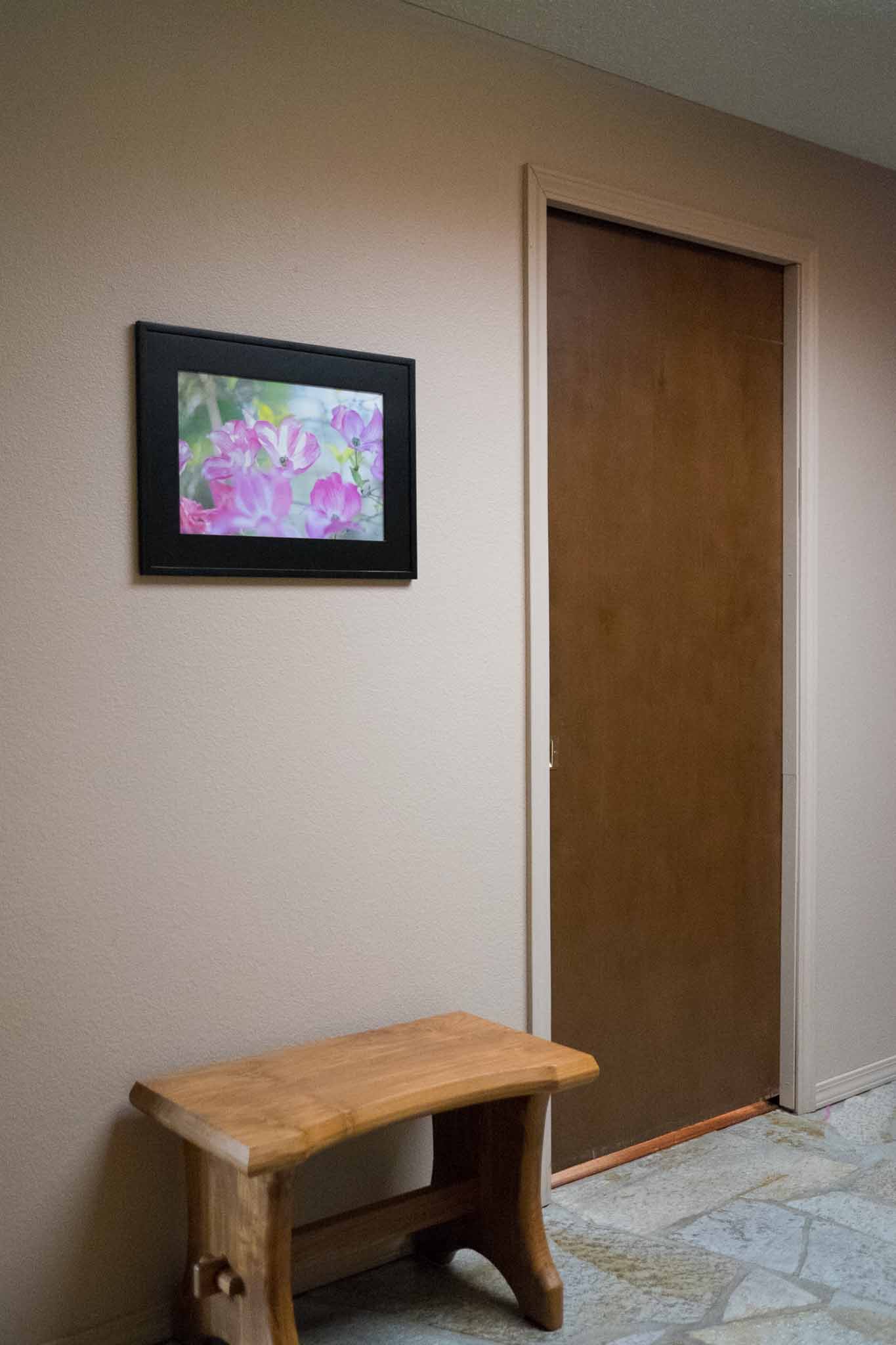
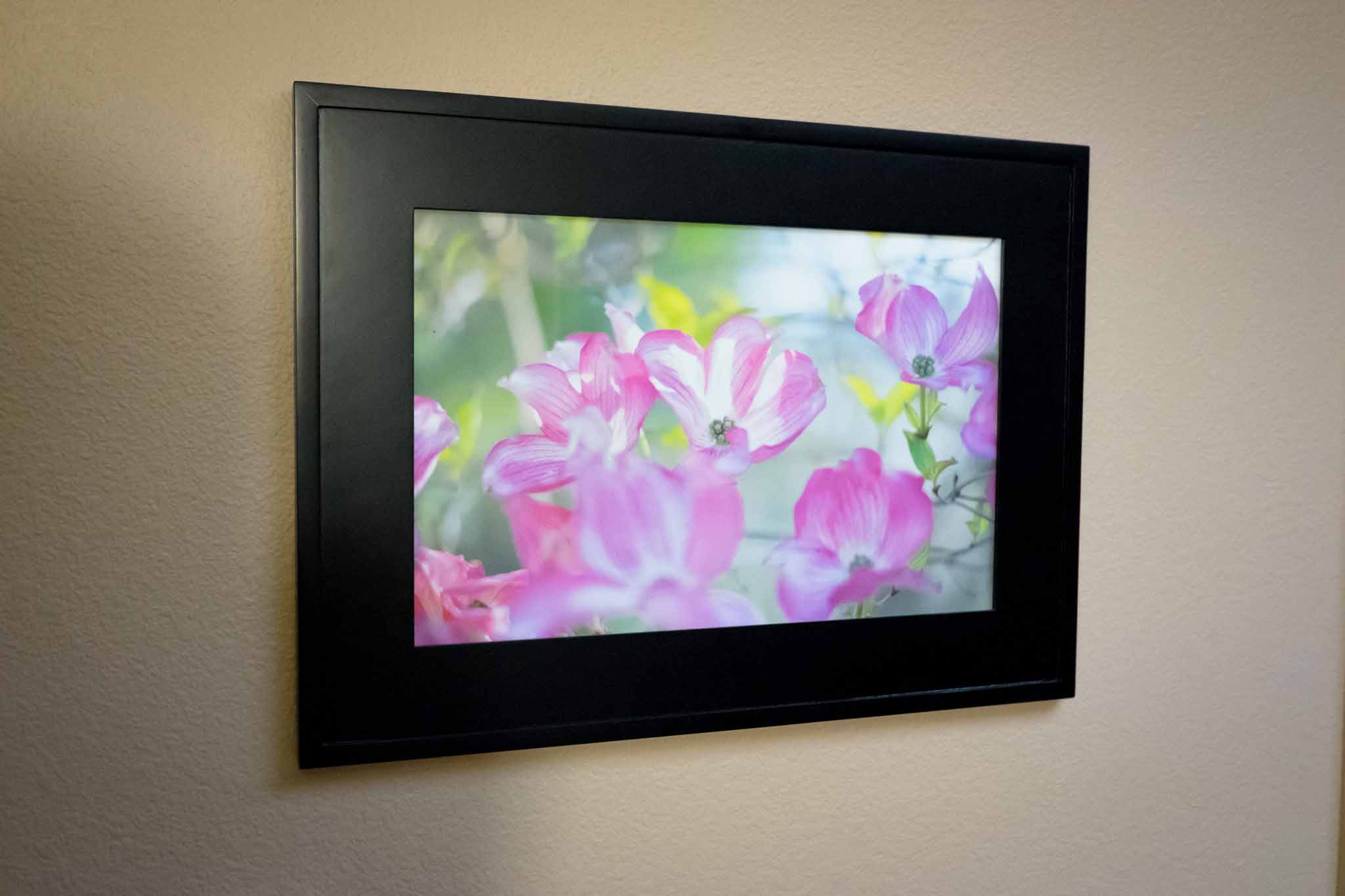
    Recently I was printing out a bunch of photos to update pictures around our home. One of them I printed out to replace a photo we had been using in the same frame for the past five years — that pictures resides in our entry. The new picture seemed brighter, it looked better, and I liked it, so I thought it would be a nice change of pace form the black and white image that hung by our entry.

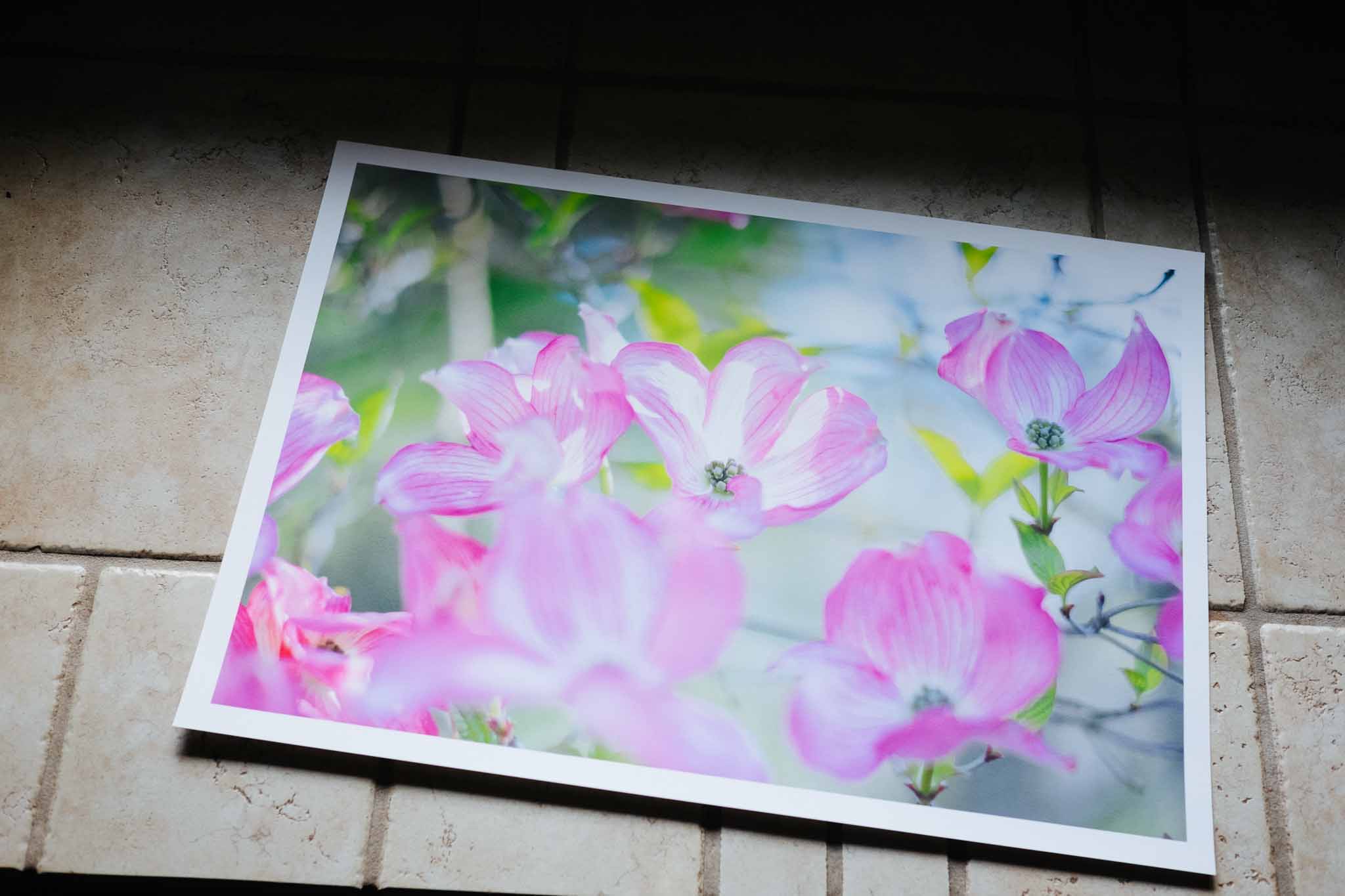
    I made a snap decision to print the photo on water color paper, and when it was done I was blown away by how great it looks. The photo is now hanging in our entry way, and I stop and look at it every time I pass. I don’t really like this type of gloating, but this image — when printed — makes me exceedingly happy when I look at it. In fact quite a few visitors to our home have remarked on it, which bring us to this post.

    I’d like to offer this image for sale as a limited edition print. I am offering two sizes printed and signed by me on water color paper (this paper) on my Canon PIXMA PRO 9500 mkII. The pricing and sizing is as follows:

    • 12” x 18” image printed on a 13” x 19” piece of water color paper for $150, signed (on the back).
    • 8” x 10” image printed on a 8.5” x 11” piece of water color paper for $50, signed (on the back). Note: because this size format does not fit the natural image aspect ratio, some cropping will occur.

    The limited edition factor is not quantity based — though I will write the print number on each image with my signature — it’s limited edition because I will guarantee this will be the only time I offer this image for sale on water color paper. The water color paper gives this image a very lovely feel to it, less ‘printed photo’ and more art.

    This site is directly supported by you the readers and members, and right now it just breaks even. The goal of this print sale is to raise money for the purchase of items to review. What items, you might ask? I have a long list and once I figure out how much money all of this raises I will be putting those items to a vote. You tell me what you want to see reviewed.

    Shipping is hard. Shipping costs $10 for US, and $20 outside of the US. All prints will be handled with cotton gloves and will be packaged with extreme care.

    To order, head here. Sale ends June 6th, 2014.

    Note about shipping times: I will be shipping on a continual basis. I hope to have prints shipped within 14 days of ordering.

  • Stress at Home

    Belinda Luscombe:

    A new study out from the Council on Contemporary Families suggests that contrary to most surveys, people are actually more stressed at home than at work.

    Men and women, with or without children, doesn't matter.

  • Quote of the Day: Jonas Downey

    “Remember when the web was damn simple? It still can be. It’s up to us to make it that way.”
  • Sensor Size Debates

    Josh Ginter on deciding to go with micro four-thirds:

    In complete contrast, Micro Four Thirds cameras don’t deliver the same image quality and they are certainly held back technically by their 2x cropped sensors. I don’t think there’s any denying that Micro Four Thirds cameras are not capable of doing the best portraiture.

    That entire paragraph isn’t quite correct. The sensors are very good and really only have trouble with huge prints. Beyond that they are on par with most other sensors. This is a long debated topic, but I’m in the camp that the sensor size doesn’t matter.

    What’s different between micro four thirds and say Fujifilm is that the latter has different color rendering and the best noise control I’ve ever seen. Different sensors and sensor sizes really only give you different looks in your photography. It’s up to you to decide which look you like.

  • Fivethirtyeight Weighs in on Sit-Stand Desks

    Emily Oster:

    There is no definitive answer in the literature, but reading it all together I find myself more convinced of the sit-stand desk’s benefits than I expected — sufficiently so that the next time I move offices, I’m getting one.

    It’s the best way to work. I miss my standing desk when I am at home.

  • Why Lavabit was forced to shut down

    Ladar Levison:

    In Virginia, the government replaced its encryption key subpoena with a search warrant and a new court date. I retained a small, local law firm before I went back to my home state, which was then forced to assemble a legal strategy and file briefs in just a few short days. The court barred them from consulting outside experts about either the statutes or the technology involved in the case. The court didn't even deliver transcripts of my first appearance to my own lawyers for two months, and forced them to proceed without access to the information they needed.

    His story is absurd, but not because of his stance, but because of the overall lack of due process and — you know — justice.

  • The new DuckDuckGo

    Brett Terpstra on the DuckDuckGo redesign:

    My favorite part of the redesign is that image and video search results are available on the main search page.

    It really is a fantastic update.

  • Google Predicts Ads in Odd Spots Like Thermostats

    Rolfe Winkler:

    In a December letter to the Securities and Exchange Commission, which was disclosed Tuesday, the search giant said that it could be serving ads and other content on “refrigerators, car dashboards, thermostats, glasses, and watches, to name just a few possibilities.”

    Enjoy your Nest…

  • Quote of the Day: John Carey

    “If you start to imagine photographs not just as fractions of light caught or frozen and more as time itself callously repeating itself despite what has happened in the mean time they can start taking on a life of their own.”
  • Why I Moved Back to Ulysses III

    When iA’s Writer Pro came out I promptly switched over to it (having previously being a huge Writer fan) and I was largely happy using it over Ulysses III. The difference is splitting hairs in the simplicity realm of writing, but I’ve come to find out that single hair makes a very large difference to me.

    Both Ulysses III and Writer Pro are exceptionally simple. Writer Pro is a no-nonsense ‘here is what I am, and that is all there is’, type of app. Ulysses III is more of a ‘this is your writing space and it is as simple as you want it to be’, type of app.

    Both are simple, just in very different ways.

    To me the complexity inherent in Writer Pro is evident in two areas:

    • The modes are the first stage. Where you actively have to think about what part of the writing process you are in. That’s a great tool overall, but one cannot argue that on some level it adds psychological overhead to the process of writing. “Wait, I want to write, but I am in edit mode.”
    • The file storage is the biggest area of concern for me in Writer. Writer Pro relies on simple text files, yes, but those files can be stored anywhere, or in varying folders within iCloud. Each must then be opened by themselves in new windows and thus managing your files becomes more complex than in an app that manages files for you. In other words you have to think about organizing those files.

    Ulysses suffers from different levels of complexity:

    • It is meant to house all of your writings. Which is great because they are all there, but also they are all there. You see everything when you have more than just the editor window open — and that’s just distracting. Though to be fair, CMD+1 removes all that visual clutter.
    • Unlike Writer Pro, Ulysses has options — and those options can lead to a more complex tool. The way they are presented keeps things on the simpler side, but options adds complexity.

    In my opinion, Writer Pro is actually the more complicated app to use.

    Everything you do in Writer Pro, outside of writing and editing, must be done somewhere else — not in the app. So while Writer Pro is more simple, it adds more complexity to my overall workflow as I need more and more tools to do something — anything — with that text I just labored over.

    In a nutshell that’s the top reason I am back with Ulysses after a stint with Writer Pro: Ulysses affords me the ability to interact with my texts after I am done writing them and keeps them all in one depository. I can do more with one app in Ulysses than I can in Writer Pro.

    Of course there are a few other reasons why I came back, and in no particular order here those are:

    • I think the overall design of Ulysses is better than Writer. And if I don’t like the design, I can just change the colors and fonts. The flexibility is there, but not a distraction as can be in so many other apps.
    • Variable typewriter scrolling is amazing. I like the line I am writing on to be static in position, but I don’t like that position to be the middle of my screen, or maybe I do. With variable typewriter scrolling I can decide on the fly where I want that line to be. It’s fantastic.
    • It’s nice to use, nice to work with, and constantly being improved.
    • Feels like a notebook with endless pages and a notebook always feels like endless possibilities for new ideas and thoughts. Writer feels like an endless stack of sheets of paper, where they will get lost and are limiting in usefulness. You don’t go into the most important meeting you’ll have this year with a stack of loose paper — you choose a fine notebook.
    • I like the document states in Writer Pro, but I’ve been able to replicate them (and more) with tagging in Ulysses.
    • Color and fonts: I can choose them. I can tweak them, and Ulysses remembers that I like my light theme in window mode and my dark theme in fullscreen mode.
    • Daedalus is better on iPhone than Writer Pro. But, you likely disagree with me. It’s an odd duck, but I really like it. (And you can install your own fonts to it to match your Mac!)

    Of course there are somethings that are still not so great:

    • I really don’t like the process for adding links. If you paste a markdown formatted link, then the app doesn’t recognize it properly. So you have to start the process and paste in the link when the popup appears. If I hadn’t figured out how to automate this with Keyboard Maestro this would have been a deal breaker.
    • Markdown is not copied by default. Instead you have to use a different keyboard shortcut — maybe. Actually the secondary copy shortcut can be one of many formats and which one is based off of the format you used last. Which is not only annoying, it’s inconsistent with logic of any kind. Just let me set what type of text ‘copy’ copies.
    • Lack of publishing support to weblogs. It’s been promised, but it’s not here yet. This is something that any writing app should have at this point in time.

    Overall though, still one of the best writing apps I have ever used, and the best I have found for OS X.

  • GM Has Recalled More Cars Than It Sold In Five Years

    Patrick George:

    If you add up GM’s total U.S. sales from 2009, 2010, 2011, 2012 and 2013, it equals about 12.18 million cars, according to their own sales data and news reports. And in 2014 alone so far in the U.S., they’ve recalled more than 13 million cars, with possibly more on the way. P

    This entire situation is crazy, and I am surprised it is not bigger news. John Oliver has a really good take if you are an HBO subscriber.

  • Being Cool

    Rance Crain:

    What Samsung is basically saying, Sir John argues, is that “the other guy isn’t cool. Because I’ve basically taken what they’ve done and I’ve made it a different shape and a slightly different size and I’ve brought it out in different colors. That’s not cool. So I think they could find themselves in a short-lived space.”
    The bottom line for Apple is to continue improving the product, by all means, but most important: Don’t react, because that’s not cool.

    Really great article as long as you stop at the last line above.

  • The NSA Is Recording Every Cell Phone Call in the Bahamas

    Ryan Devereaux, Glenn Greenwald and Laura Poitras:

    Legal or not, the NSA’s covert surveillance of an entire nation suggests that it will take more than the president’s tepid “limits” to rein in the ambitions of the intelligence community. “It’s almost like they have this mentality – if we can, we will,” says German. “There’s no analysis of the long-term risks of doing it, no analysis of whether it’s actually worth the effort, no analysis of whether we couldn’t take those resources and actually put them on real threats and do more good.”

  • Mod Notebook Review

    Patrick Rhone:

    In fact, I would likely be all in on the idea if they offered just the service/app part for any notebook you already owned or preferred to use. Say, for instance, if for that price you could print off a pre-paid shipping label, send them any notebook up to a certain size, they scanned it and made it available in their app, and then sent it back to you. That, I might buy.

    Now I feel bad for pointing this notebook out to him.

  • Updates From the Past

    When I first started computing, updates were a rare thing. Sure they happened, but not often and not always for free. The updates had to be shipped to you, on some sort of physical media which was not only annoying, but slow as well.

    Then the internet and software downloads came along and changed all that. Programs could be rapidly updated to take into account other changes to operating systems and time in general. Things became easier and faster. Good all around.

    Then Apple’s App Stores came along. With the App Store updates and downloads and buying is easier and better than ever. Well, except that the App Store has thrown us back in time with app updates. Unless a developer requests the limited emergency update protocol, the nuclear option, it can take a week (or more, or less) to get an update to users.

    Which really isn’t acceptable to anyone. Not developers, not users. Well, except maybe Apple, they seem happy to leave things as they are.

    If something breaks in an app you rely on because Apple updated OS X, and you purchased that app from the App Store, well now you get to wait.

    And wait.

    Work?

    What work?

    Oh, there’s the update. Thanks Apple.

  • Everyone Should Know Just How Much the Government Lied to Defend the Nsa

    I’m quoting his conclusion, but this entire piece is a must read. Trevor Timm:

    Intelligence director James Clapper’s infamous lie to Congress – in which he claimed just months before Snowden’s leaks that the NSA was not collecting data on millions of Americans – will certainly follow him for the rest of his career even if it never leads to his prosecution. But while Clapper almost certainly broke the law, the senate committee members in front of whom he spoke knew the truth regardless.
    The Justice Department, on the other hand, convinced the supreme court to dismiss a case that could have dramatically curtailed the NSA’s most egregious abuses of power based on false statements. And now all of us are forced to live with the consequences of that.

    Those motherfuckers.