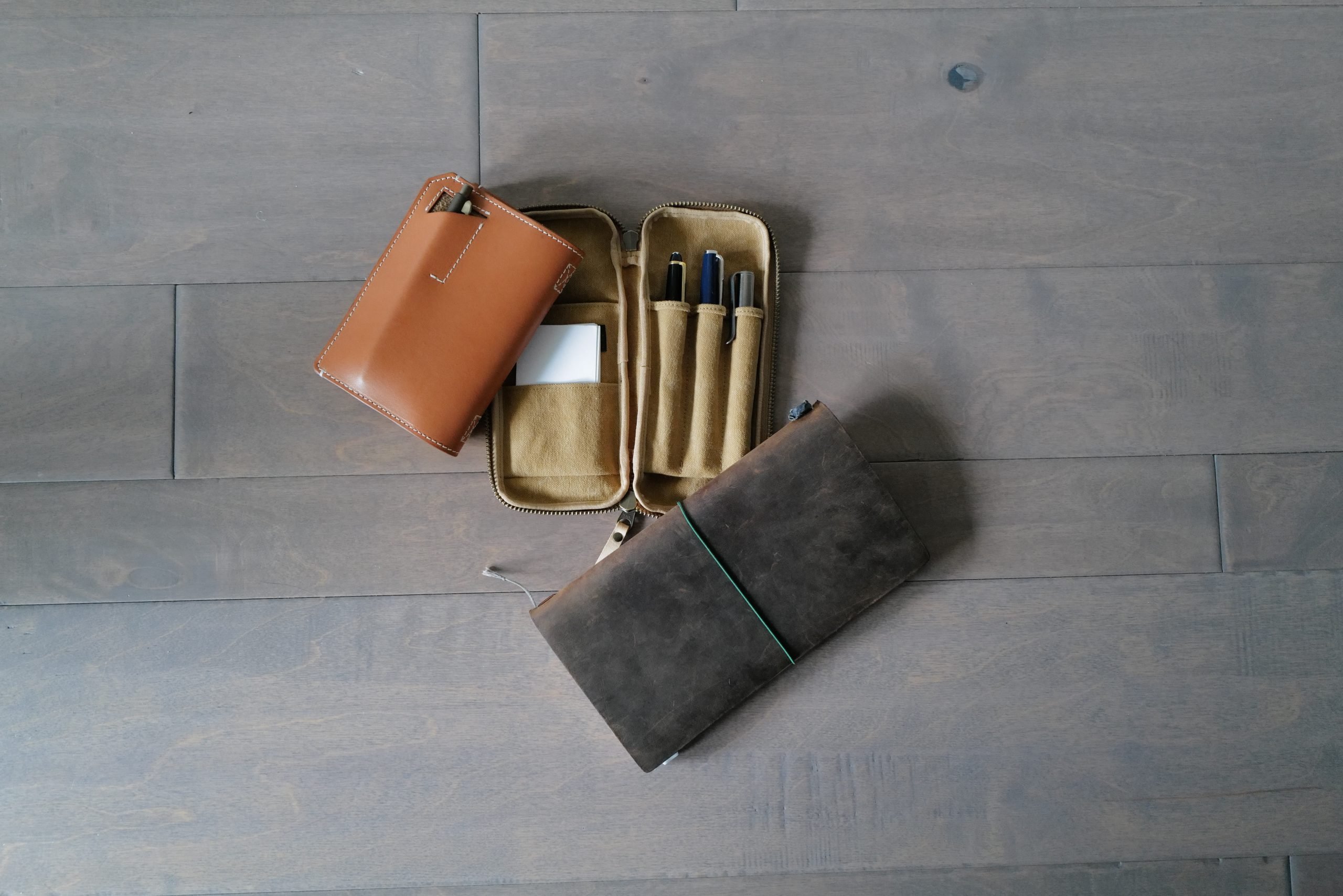
This week: my mid-year gear report; signatures; and uConsole.
You must be a member to read the rest of this article. (Already a member? Log In.)
Top Posts
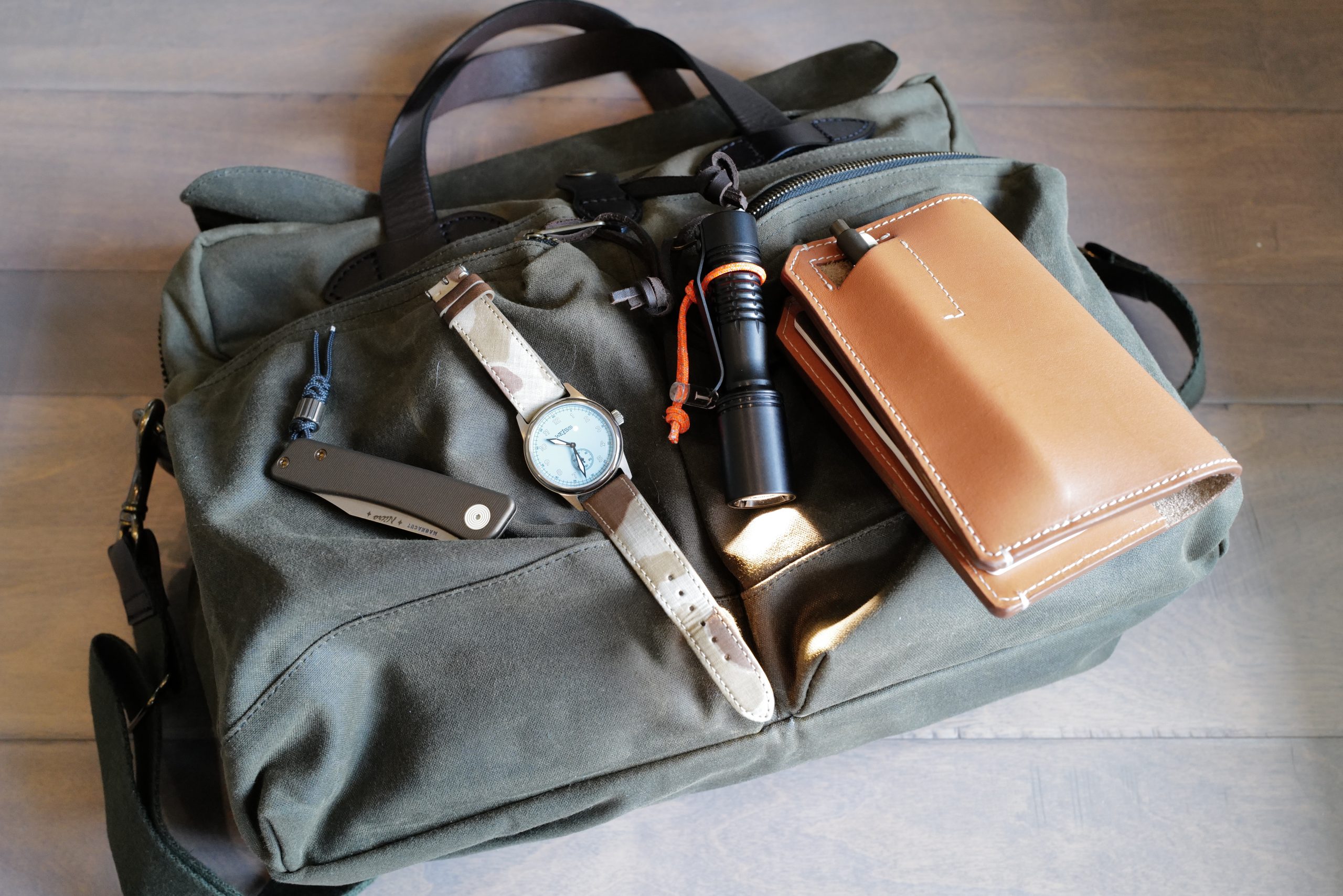
All about gear, and also a really stupid computer I bought that I absolutely love.
Looking at a couple of the best ways to use AI to see the true value.
Reading about Generative AI (or ‘AI’ as we’ve now circled back to using) has been interesting over the past year. Those testing these tools as designed/built (i.e., as general-purpose tools for help) tend to write optimistically about the technology. Whereas those who have been trying to trip AI up or placing precise demands on these tools have been writing about how overhyped this technology is. It’s rather tricky, for journalists alone, to get a true sense of what this technology is and isn’t.
At its current core, Generative AI tools are good at many things and far from being experts at most. But being pretty good at only one thing can generally mean a human has a solid career in front of them. Pretty good at many things — that’s of high value when it’s a human. This is an excellent way to think about the current tools, as they are not likely to run away with any job of considerable substance. Still, these tools will make parts of everyone’s jobs trivially easy — and we will realize these changes rather quickly.
All of this is to say that generative AI from the likes of OpenAI, Anthropic, Mistral, Meta, or Google is some of the most impressive technology I’ve seen to date. Perhaps more impressive than the tools themselves is how fast this technology is evolving and improving — it is hard to keep track of, and this is most of what I have been working on for the past year.
This is why now seems like a good time to stop and talk about what AI is useful for and where it will disappoint you.
(The caveat to all this is that this technology is changing so quickly, that it is unlikely that this article holds true for long — but should be a good snapshot of where we are now.)
There are three things you can use AI for now, but only two of them are high-value uses:
Items 2 and 3 above are of exceptionally high value, today. Item 1 is of meager value and, thus, a more problematic use of the technology as it currently exists. Many writers tend to try and use AI for things they know how to do very well, and thus, their realized experience is generally poor. Only when you use AI tooling to do items 2 and 3 is the inherent value so apparent that it is smacking you in the face.
There’s no comprehensive way (without throwing AI at the task) to expand on each of these, so I’ll give a few examples based on how I find value in the tools or not find value.
I have yet to get a high-value return by using AI to do something I already know how to do well. Asking AI to review an item or have a cranky opinion on something doesn’t do this as well as I could, or even close to that. In the same vein, I write so much that I get meager returns out of AI reviewing my text for clarity/grammar/etc. I spent months using AI as a copy editor, and while it would catch a few grammatical errors, it was a time-consuming process that didn’t help.
You can see this pattern repeating, as most who write that AI is overhyped are doing so because they are trying to use these tools to do something they already do well. Don’t fall into this trap.
If you write code, don’t ask AI to write that code for you — you can ask it for help working through a bug or explaining something you are unfamiliar with. Reviewing code to explain what certain things do — AI does that well. But it will not come in writing a legal contract better than a lawyer with decades of experience. This rule always has exceptions, but such is true with all rules.
There are two angles to this use. The first is to task AI with doing something you know how to do, but is rather time consuming for a number of reasons. For instance, I know how to sleuth out good information on the internet, but it absolutely takes dedicated time to do this. Using AI powered search, generally, can net me the same result in a few seconds of my time. The return on this is potentially astronomical — and because I already know how to do this, fact checking the result is easy enough for me that I still am saving time.
Unlike using AI to do something I already know how to do well, the context here becomes: regardless of whether I know how to do this well or not, it will be very time consuming for me to do this. Looking at a 5,000 word document to pull out specific references or inferences of something is a task we can mostly all do, but AI can do it about as well, and significantly fast.
Likewise, summarizing something I might otherwise watch or read, becomes a huge time saver for items which really are only of passing interest to me. Compiling lists of things, or even using AI as a sounding board whereas instead of having to get the time of another human, I can simply utilize AI. Things like asking how AI perceives the tone or content of a message. Asking about how someone might refute a particular idea.
These are all areas where the potential for inaccuracy either do not matter, or would otherwise be trivial for me to catch since I can do this work already. A slow or tedious task then isn’t something that only would take you a long time, but perhaps would add the time of others to get an outside perspective.
Thus, if we go back to my copy editing example, rather than asking AI to copy edit my writing — asking AI what it’s takeaways are, where arguments seem weak — those are things which would require another person with knowledge to read over my work and respond, but AI does it in about 10 seconds.
Perhaps the most fun, and potentially high return task, you can do with AI right now is to play around with it to do something you do not know how to do. There are any number of things: music creation, image creation, code creation, video creation, story creation. All of those things, if you don’t already know how to do them, become sort magical that you can, in a mere handful of words, have AI do these things for you.
By way of example, if you ask AI to generate a file list, with the content of each file filled out, which is code for a mobile application — and go on to describe the app you want to build in detail, you’ll get code which (with a few back and forth chats) will very much compile and run. Now, will this replace a developer? No. But does it give someone a way to do something they might never have even attempted to do before? Yes.
That’s kind of wild to think about. In a lot of ways this is where the optimists with AI live. While the total value add here might be debatable, there is no doubt that the potential for massive value exists.
AI feels like the word processor, or Excel/Lotus123 — there’s no going back now. Those tools did not show up to do something which could have never been done before, they simply made what had been done before easier, and more accessible to all.
That’s where we are, where we are going — well who knows, it’s changing drastically week to week.

This is a fantastic loafer, but can you buy it before Morjas raises the price again?
I wanted a loafer, but I didn’t know what I wanted. So when I started looking, I was told to get something in a chocolate suede, and choose between a tassel or penny. I went with this Morjas Tassel Loafer in Brown Suede with the rubber sole. I wanted something to swap out my boots for from time to time, and to change up my look at touch.
This started an entire adventure into the world of loafers, because of how stellar these Morjas are.

Getting work right, a deep dive into best practices for remote, hybrid, and in-office work.
I have been thinking about the ‘right way’ to work over the past couple of years as we recover from a pandemic where offices & company leaders struggle to come to terms with an employee relationship scenario they didn’t foresee. The forced WFH for most office workers during the pandemic, the varied and disastrous return to office protocols — the emergence of strong remote hiring — and the randomness of hybrid roles.
For every argument against one type, there’s an argument in favor. So rather than try to look at why you should not do one or the other type of work, I want to look at best practices for each type of work setup. These are things that you must do if the method is to be successful for any one company.
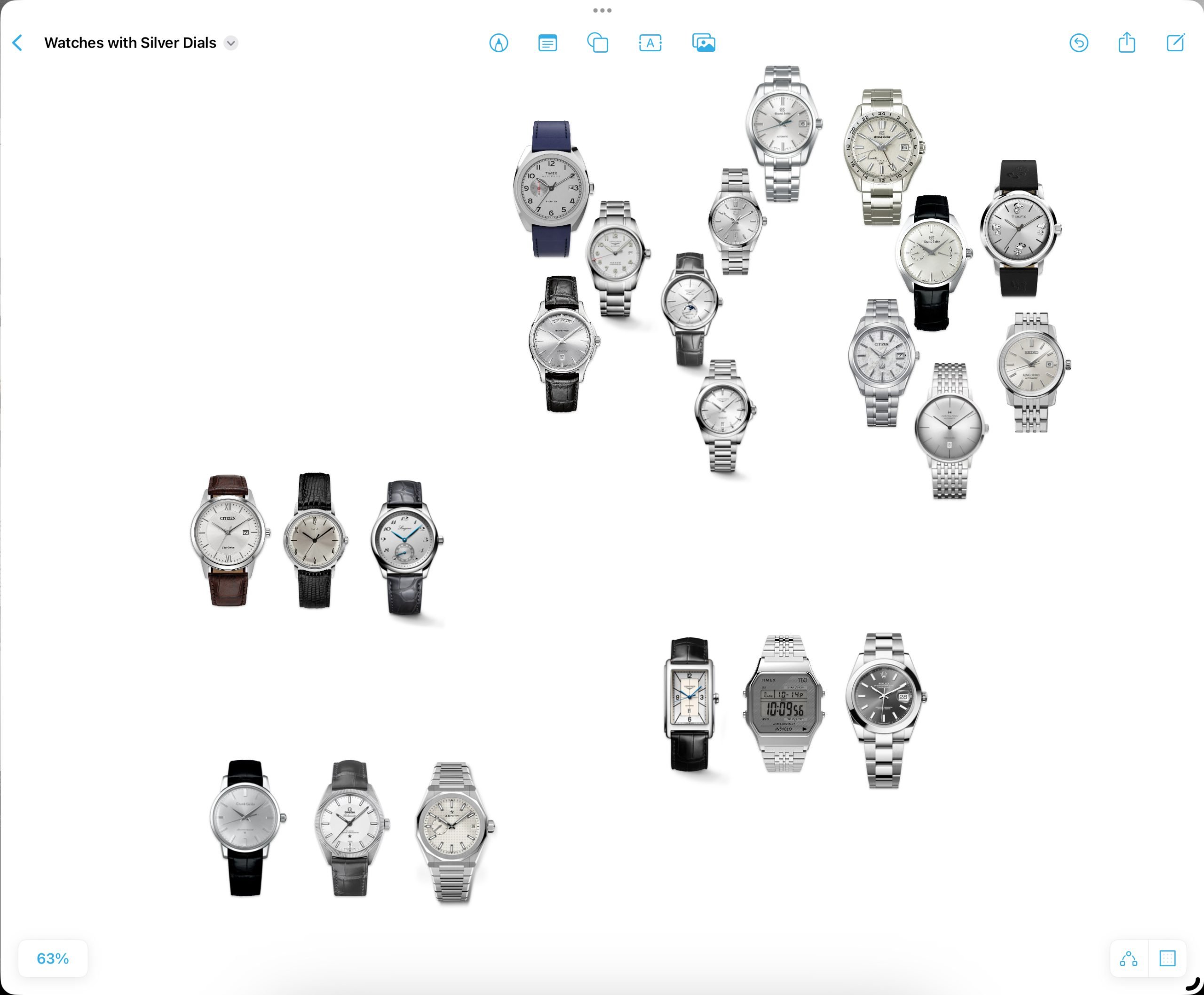
My Freeform wishlist since I am the only user, and making a native iOS app in 15 minutes flat.
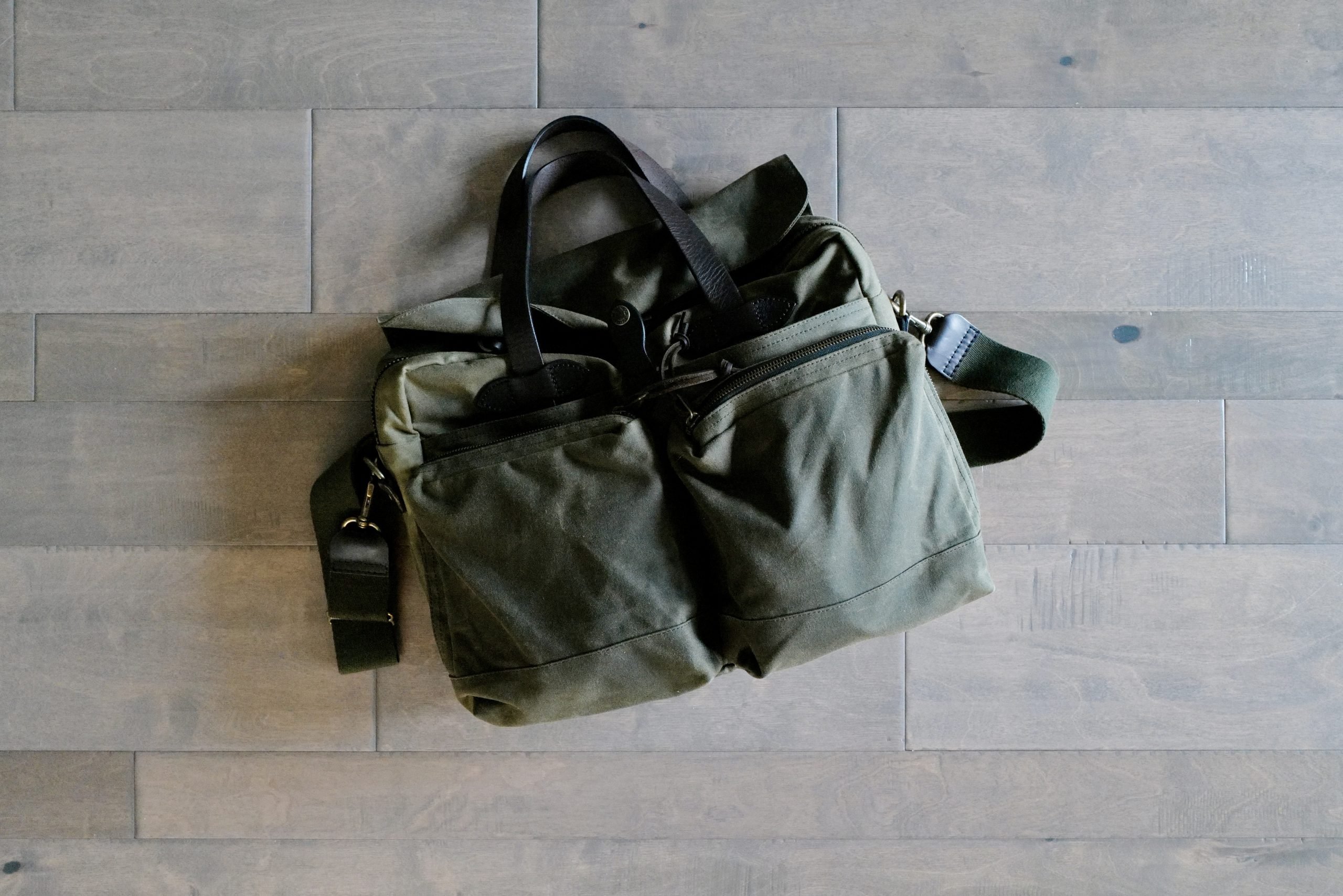
A quick recap on what I carried to the office, now that I am (hopefully, temporarily) not going into an office.
End of this week marked my last day going into that office, so I thought it would be a good point in time to capture what my daily carry gear had been going back and forth from my house to the office. And more than a few people have been requesting updates on this kit.
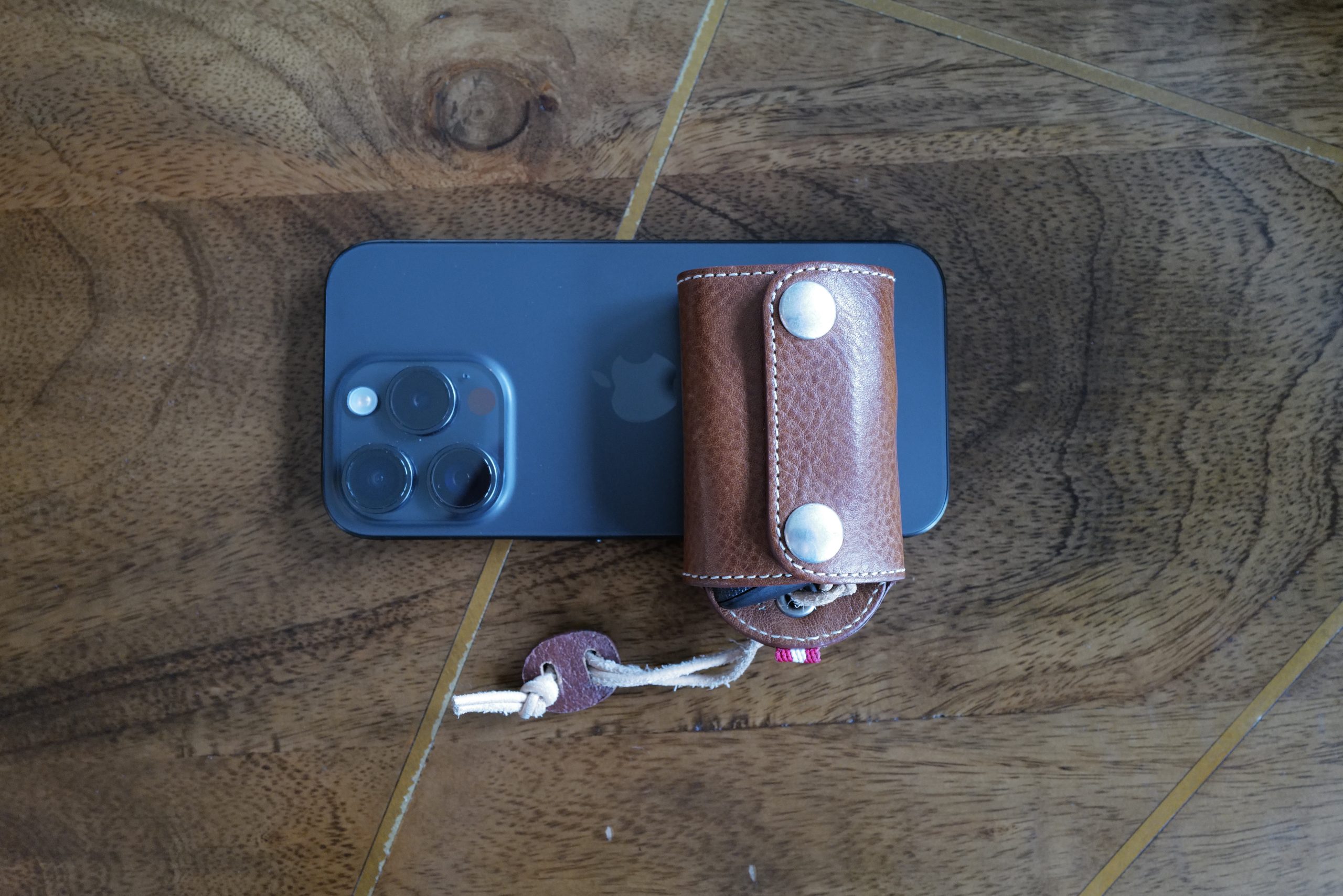
A complete waste of money so that you can wrap your car key in Italian leather.
I recently picked up Hardgraft’s Palm Key Fold to solve a particular problem: the key fob for my car constantly gets triggered in my pockets, resulting in all sorts of random noises from my car. It’s been driving me crazy and not something I have experienced with other key fobs. Even if I carry the fob in a jacket pocket, this was an issue. Adding to this button pressing is the issue that the fob itself tends to slip out of areas easily, or otherwise be annoying to carry in my pocket due to size.
The real solution here is that car manufacturers are forced to carry these key fobs 24/7 — there’s no reason they should be this large and this shitty. Since that won’t help me now, this leather wrap for a key fob seemed like a good solution.
In practice, it’s a mixed bag.
While you could spend very little on a suit, Bruce and I break down why you should spend as much as you can.
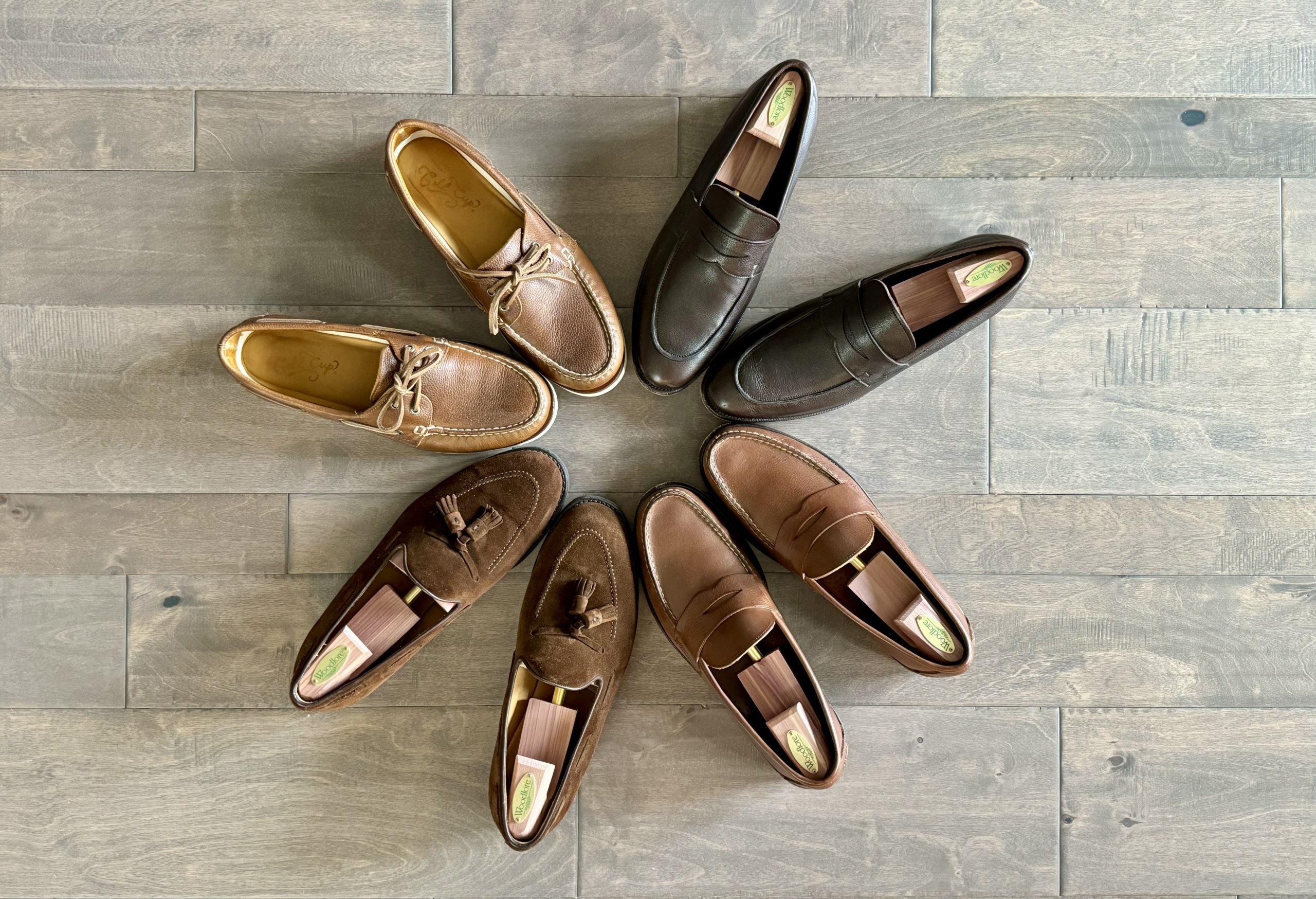
Notes on why loafers are a game changer for me, and diving into OpenAI a bit.
The new Radix is pretty rad looking.
This weekend, all Mystery Ranch outdoor and hunting packs are 25% off with code WEEKEND25.

I am tired of people saying new things are the best because they are new, tell me about old things which are still the best.
Defining something as ‘the best’ is a tactic I’ve been using for a long time. It’s an odd definition, as it’s almost certainly a lie, caged with the caveat of “what I think is the best”. Though, we all intuitively know this.
Even sites with rigorous testing: Consumer Reports, or Project Farm on YouTube — these all can label things as scientifically the best, but when you dive down further, you begin to see the subjectivity. After all, at some point, some human, decided what and how things are tested, rated, and graded, to become the best. Which makes the entire thing easy to bias.
I love my Meermin loafers, and there’s some good deals to be had — from boots to loafers. Shop it here.
I love my Meermin loafers, and there’s some good deals to be had — from boots to loafers.
My new podcast about men’s style.
For those who have been waiting for my return to podcasting, your wait is over. I am co-hosting a new podcast with my good friend Bruce Layman. It’s called High Twist. Our focus is on helping men dress well, without feeling like they are dressing up everyday.
It’s been a lot of fun working on this with Bruce, and I hope you enjoy the show. Website/RSS is here, Spotify, Apple Podcasts, Overcast.

A really nice briefcase option, which doesn’t scream ‘briefcase’.
A little over a year ago, my kids both switched their school backpacks over to Topo Designs backpacks — and since then they have fallen in love with those backpacks while at the same time those backpacks have held up nearly perfectly for them. And that data point has impressed me enough that I’ve been wanting to pick up a Topo Designs bag to test and review for myself.
I decided to grab the Global Briefcase in Olive — and I’ve been testing it for a bit now. It’s a very good bag, but not really my cup of tea, so my testing is abbreviated on this one.
Here are my impressions after using it for two-ish weeks.
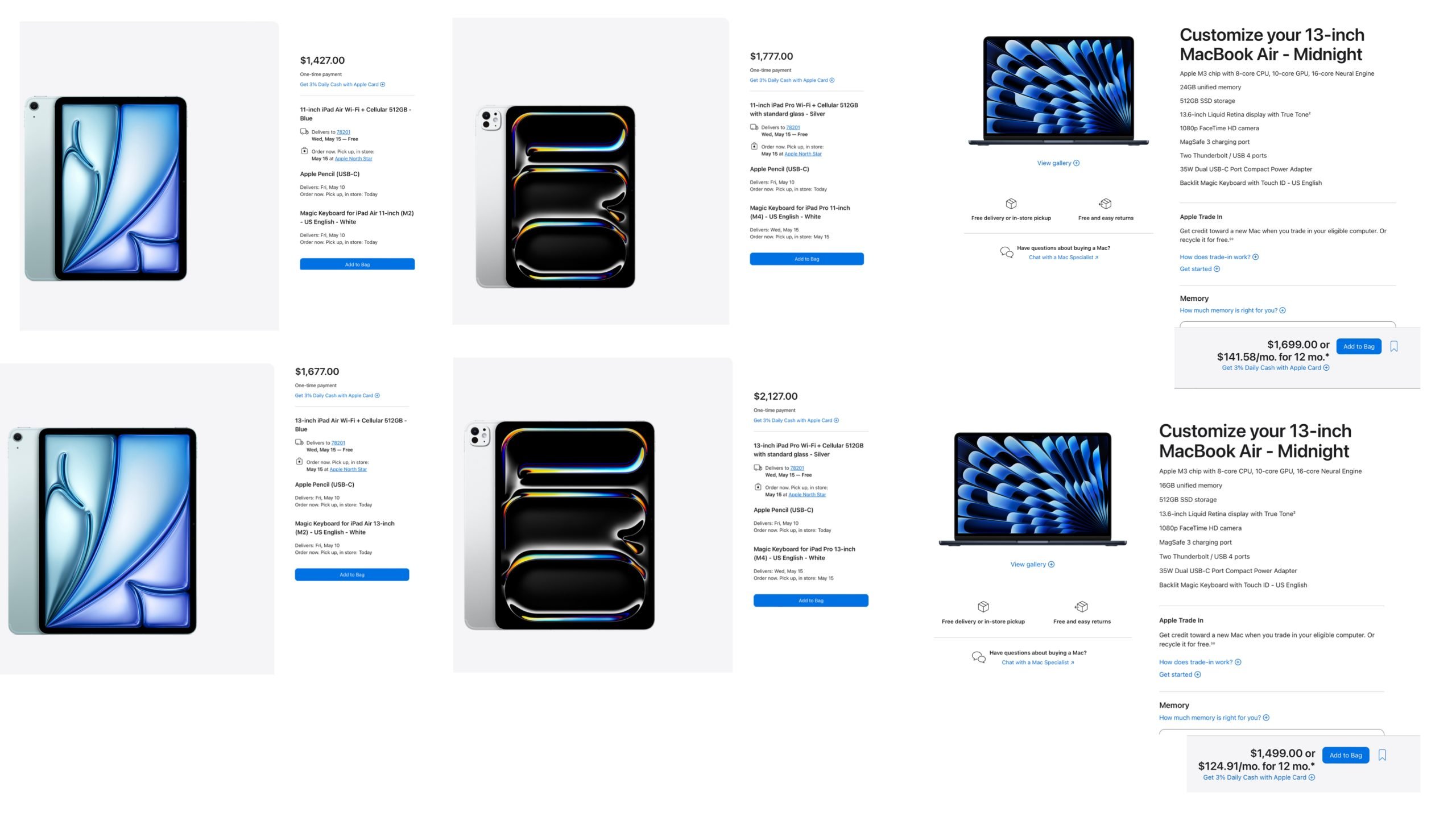
A deep dive into why the MacBook Air is now a better buy than the iPads, and a $20 bag.
This week: let’s talk about expensive new iPads, and a $20 bag.
## iPad prices are too damned high
One of the core benefits of this site is, unlike many other sites, I am not chasing page views. I am not even really chasing new members — so much as I chase retaining the current members (big thanks to those who Memberful tell me have been members for 7+ years now, *wow*). That single focus allows me to avoid frantically posting coverage and hot takes (or publish them if I want) — instead I often sit back and publish more measured hot takes whenever the hell I please. If you want those hot-hot takes, come hang out in the Discord.
But, here’s my thoughts on the new iPad Pros:

Let’s dive into this, shall we? Because this was an event I was waiting for, anticipating buying new devices after, and am let down by.
You must be a member to read the rest of this article. (Already a member? Log In.)

This is still my primary office bag, and it’s still the best (easily).
It’s been over a year now since I declared that I was going all in on the 24hr Briefcase as the primary bag I take into the office. This change has actually held true over that stretch to my own amazement. The only time I deviate is for testing other bags or when I needed a larger bag to tote some extras to or from the office.
I am not sure I’ve stuck with a bag this long for office use, and that alone is a testament to how great the 24hr is.
It’s almost perfect in every scenario I need it to be used for. And it’s so good that I regularly consider bringing it as a personal item over other travel shoulder bags I have on trips. (My original review is here.)
I wanted to revisit this bag now that I’ve had a lot of use and time with it. Combining it with all the other variants/colors of this bag, I am coming on nearly two years of using a 24hr Briefcase. I am more confident now than ever that this is the best bag you can choose for office carry.
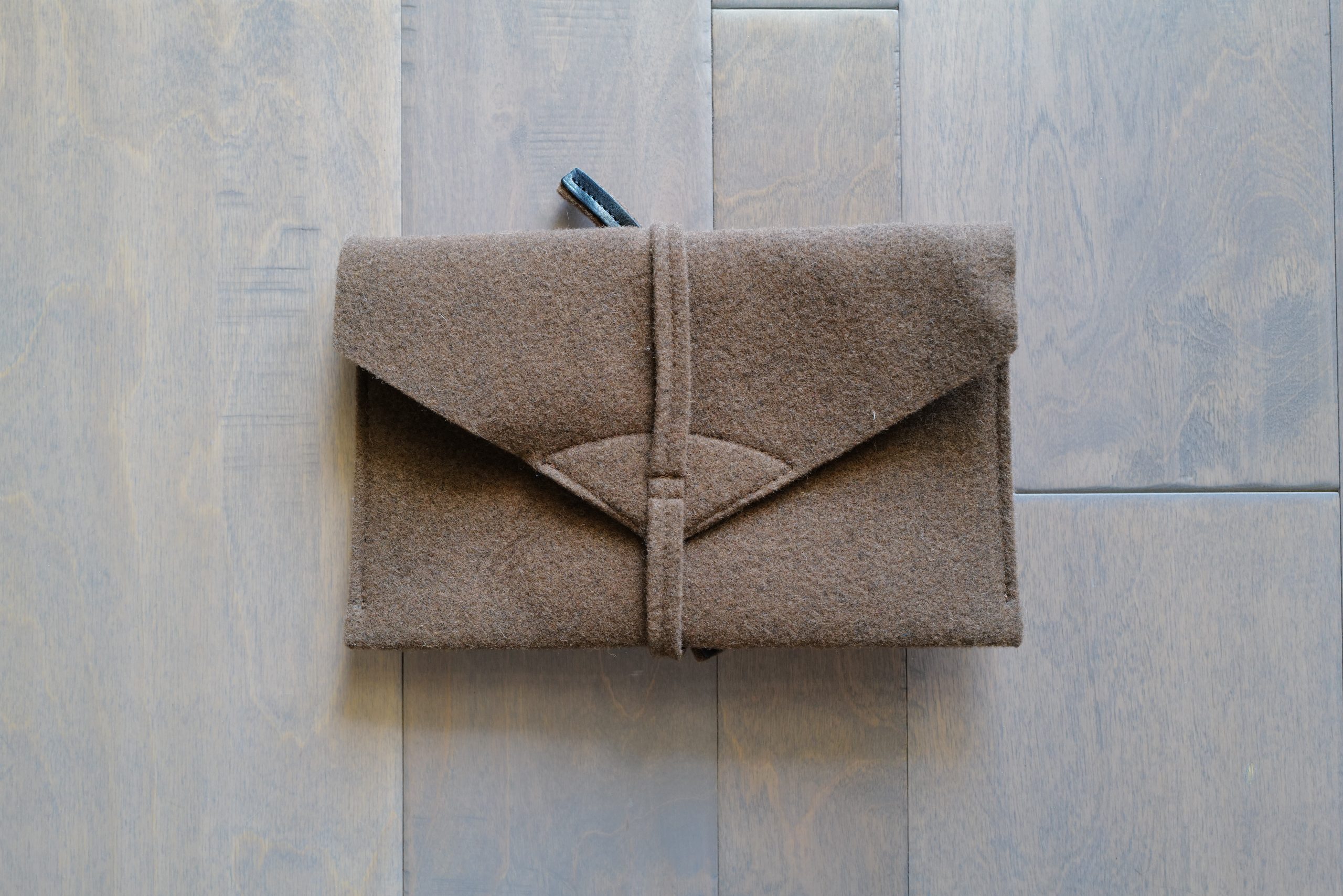
A pouch I love to use, which is not particularly great at anything.
I picked this particular item up to serve a very specific purpose, to carry very non-specific gear. I often run into a situation where I have some smaller things I need to stow somewhere in a bag. I need to easily pull them back out of the bag, or to get at them while they remain in the bag. Sometimes this is for travel on a plane or by car. Other times it’s heading out with the kids for the day.
The items vary widely and I wasted a lot of time trying to dig through my pouch pile to find something suitable. So I set out to find a pouch which would work well enough across all my uses. I’ve kind of found it in the Hardgraft Notebook Wool Wrap.